The Colosseum, Rome
The Colosseum in Rome stands as one of the most powerful symbols of ancient engineering and human endurance. Built nearly 2,000 years ago, this massive amphitheater has drawn travelers from around the world for centuries. Today it remains a must-see for anyone visiting Italy’s capital, offering a direct link to the days of emperors, gladiators, and roaring crowds.
Each year nearly 9 million people walk through its arches. That makes the Colosseum Italy’s most visited cultural site. The structure rises 160 feet high with four levels of seating that once held up to 50,000 spectators. Its design still impresses modern engineers. The oval arena measures 615 feet long and 510 feet wide, built with concrete, brick, and travertine stone quarried nearby.
I first saw the Colosseum at sunrise on a quiet spring morning. The stone glowed golden, and the city noise faded. It felt less like a tourist stop and more like stepping back in time. You do not need to be a history expert to feel the weight of the place. The Colosseum tells stories of triumph, spectacle, and survival that still matter.
Whether you spend an hour or a full afternoon, the site rewards calm observation. Look up at the remaining arches. Picture the wooden floor that once covered the underground passages. Listen for the echo of voices that once filled the stands. This pillar page gives you every practical detail you need, from tickets to timing, plus the stories that make the Colosseum worth the journey. Plan smart, move at your own pace, and the experience will stay with you long after you leave Rome.
Snapshot
-
Ratings: 4.6/5 (TripAdvisor, 151,000+ reviews)
-
Location: Rome, Italy
-
Annual visitors: Nearly 9 million
-
Peak season: June to August
-
Opening hours: 8:30 AM – 7:15 PM (March 29 – Sept 30, 2026); varies by season
-
Duration: 2–3 hours recommended
-
Basic entry price: €18 (standard ticket)
Why Visit the Colosseum
The Colosseum offers something few other ancient sites can match. It is not just ruins. It is a complete amphitheater that once hosted games, executions, and naval battles. Its scale and engineering still work today. The structure has survived earthquakes, lightning strikes, and centuries of stone robbers who took pieces to build churches and palaces across Rome.
Three things stand out most when you visit. First, you can walk the same ground where gladiators prepare for combat. Second, you get sweeping views over the arena floor and the city beyond. Third, the underground hypogeum shows the complex system of lifts, cages, and tunnels that brought animals and fighters to the surface.
Here are the top three things to see or do:
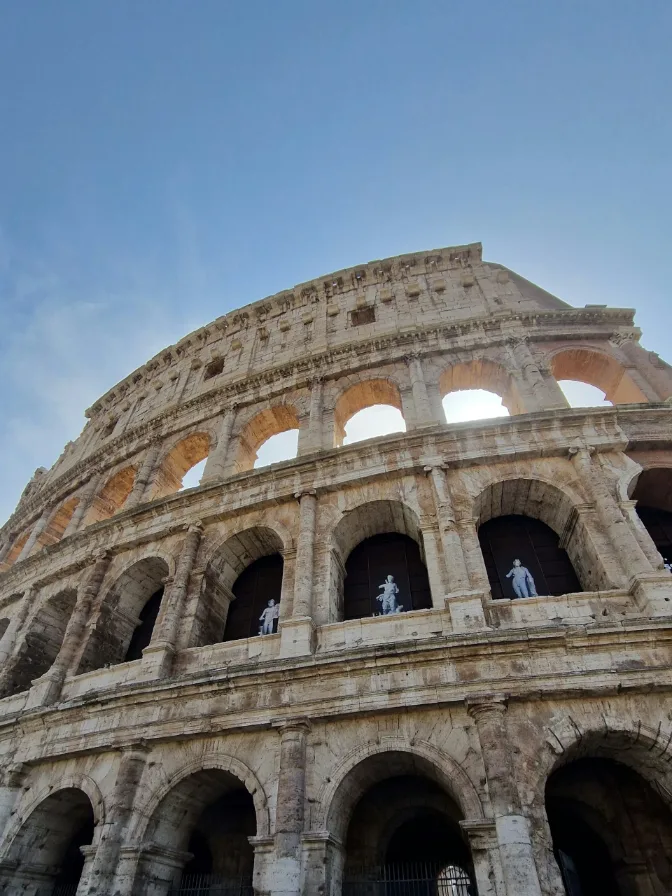
1. Outer Arches
The iconic first level arches that have withstood the test of time and earthquakes over millennia.
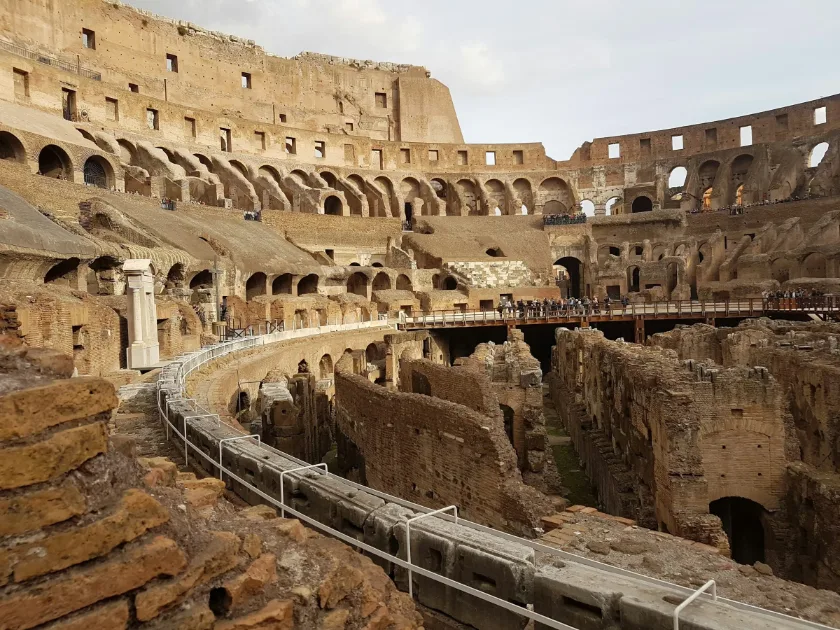
2. Seating Tiers
The remaining seating tiers on the second level that once held tens of thousands of Roman spectators.
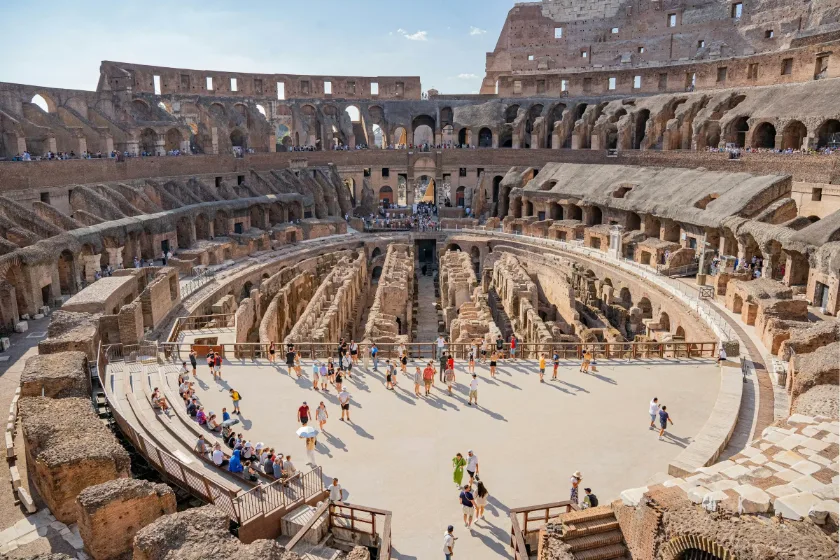
3. The Arena Floor
Access the reconstructed wooden floor spanning above the underground hypogeum and cages.
Even on busy days these spots deliver a sense of wonder. The experience feels personal because you stand where history happened. No screen or book matches that feeling.
Plan Your Visit
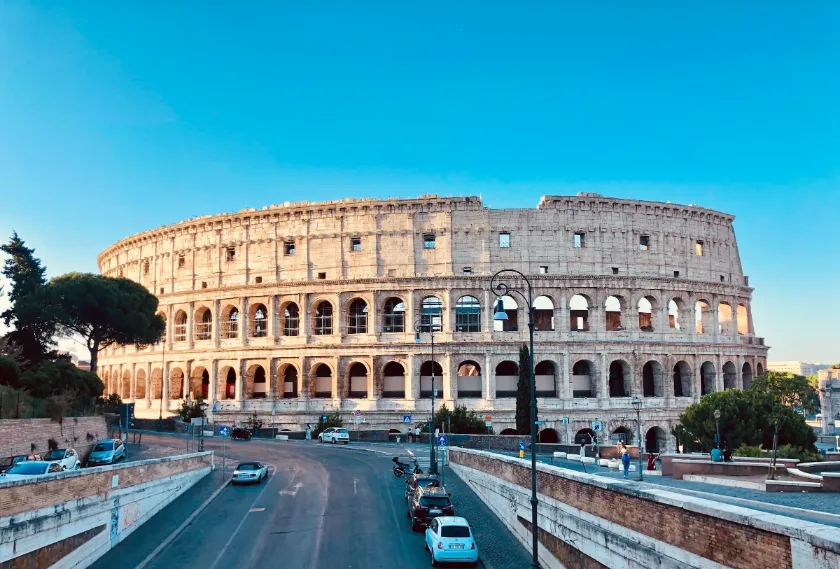
Opening Hours
The Colosseum opens at 8:30 AM every day except December 25 and January 1. From March 29 to September 30, 2026, it stays open until 7:15 PM with last entry at 6:15 PM. Hours shorten in fall and winter. The Roman Forum and Palatine Hill open at 9:00 AM and follow similar closing times.
Duration
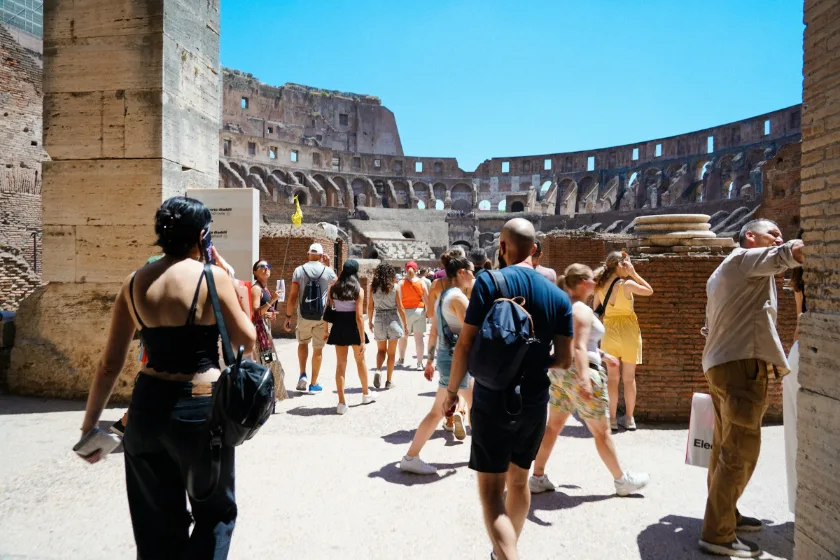
Plan for two to three hours. That gives time to see the main levels, walk the outer arcade, and visit the Forum and Palatine Hill if your ticket includes them. Add extra time if you book arena-floor or underground access.
Best Time to Visit
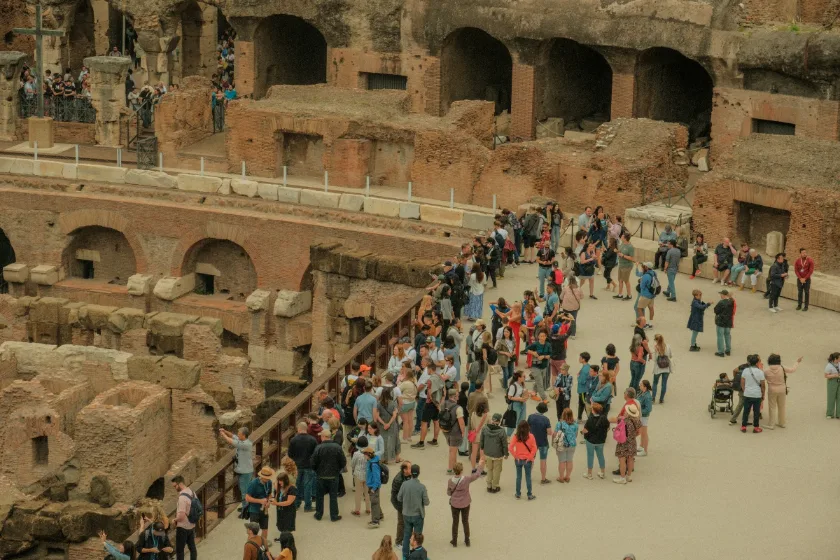
Shoulder seasons deliver the best balance. Visit in April, May, September, or October for milder crowds and comfortable temperatures. Early morning or late afternoon works well any time of year. Avoid midday in July and August when heat builds.
Tickets & Prices
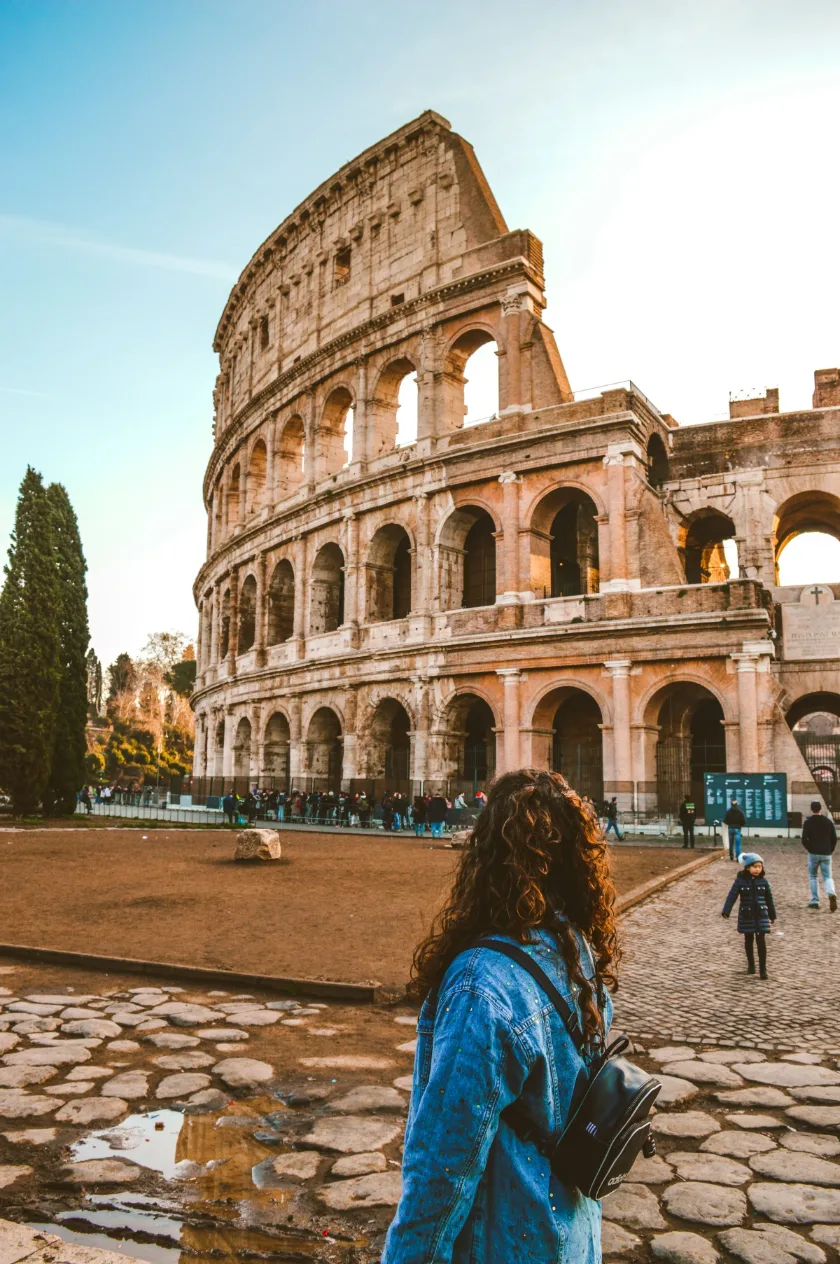
The standard ticket costs €18 for adults and covers the Colosseum (levels 1 and 2), Roman Forum, and Palatine Hill for 24 hours. Children under 18 enter free. EU citizens aged 18 to 24 pay a reduced rate of €2. Full-experience tickets cost €24.
How to Reach, Entrances & Accessibility
Take Metro line B to Colosseo station. The stop sits 100 meters from the main gate. Buses 87, 117, and 175
also stop nearby. Taxis and rideshares drop off at Piazza del Colosseo. The main entrance faces the Arch
of Constantine.
The site offers step-free access at the dedicated Sperone Valadier entrance. Elevators reach the first and
second levels. Pathways are smooth inside the main areas. Staff provide assistance when needed, and
wheelchair users can reach key viewpoints without difficulty.
Tours & Experiences
Guided tours bring the stones to life. Official options last 90 minutes and cover the main levels. Private guides add stories about daily Roman life and the engineering tricks that made the building possible. Arena-floor access lets small groups stand where fighters once stood. Underground tours show the hypogeum with its lift shafts and animal cages. Night tours run in summer and let you see the site under lights. Book these experiences months ahead because spots fill fast. Audio guides through the free MyColosseum app work well for independent visitors.
Book Your Tickets Now!
History
Construction began in 72 AD under Emperor Vespasian. He wanted to give the people of Rome a grand public space after years of civil war. His son Titus completed the main structure in 80 AD. The opening ceremonies lasted 100 days and included animal hunts, gladiator fights, and mock sea battles.
The Colosseum hosted events for more than 400 years. Gladiators fought here. Wild animals from Africa and Asia appeared in hunts. Emperors used the venue to win public favor. By the early 500s the games had stopped. The building then served as a quarry, fortress, and even a church. Earthquakes damaged the south side in the Middle Ages. Later popes and officials protected what remained. In the 19th century archaeologists began careful restoration.
Today the Parco Archeologico del Colosseo manages the site with modern techniques that keep the stones safe while letting visitors get close. The Colosseum never tried to hide its purpose. It was built for spectacle and power. Yet its survival reminds us how strong Roman design was and how much we still learn from the past.
Visitor Reviews
Most people leave impressed. One traveler wrote, “The scale hits you the moment you step inside. It feels alive even after all these years.” Another said, “The guided tour made the history real. We understood how the lifts worked and why the crowds cheered.”
Families note that kids stay engaged when guides share gladiator facts. A few mention crowds feel heavy in peak summer, but early entry solves that. Overall ratings stay high because the site delivers exactly what it promises: a direct, powerful connection to ancient Rome.
Nearby Attractions
The Colosseum sits at the center of Rome’s ancient core. Five spots you can reach on foot make a natural full day.
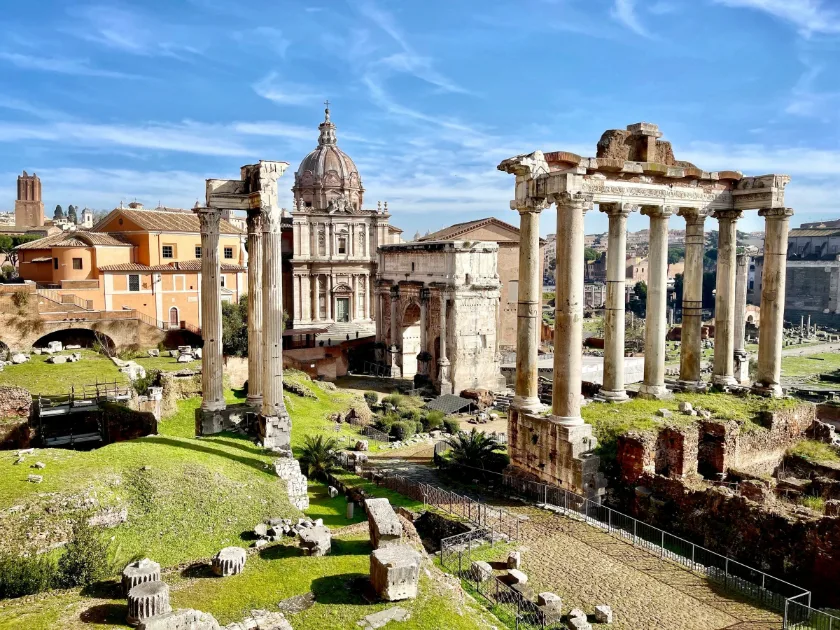
1. Roman Forum
The political heart of ancient Rome. Walk the same stones where senators debated. Entry is included with your ticket.
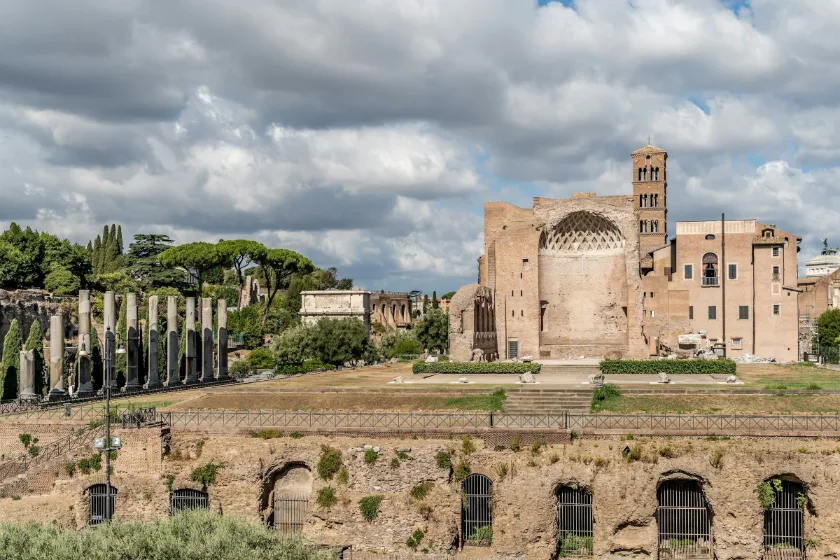
2. Palatine Hill
The hill where emperors built palaces. Enjoy great views of the city and plenty of shade from pine trees.
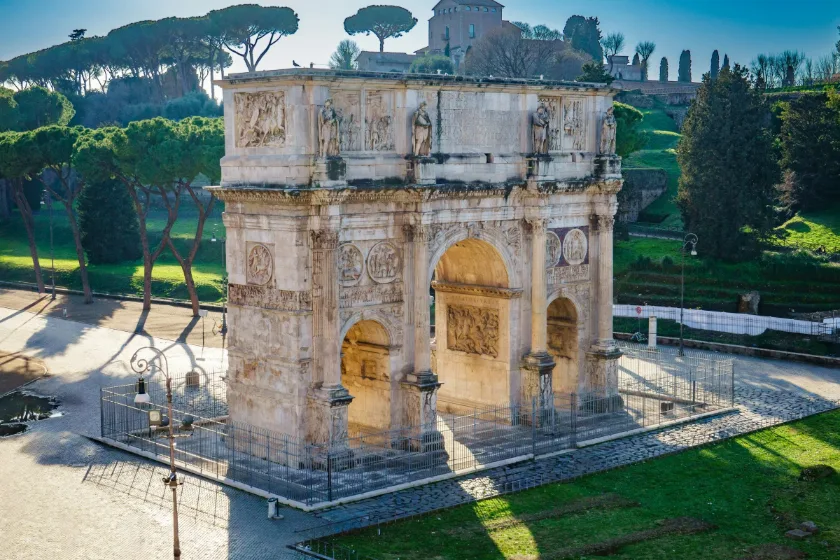
3. Arch of Constantine
The massive triumphal arch right beside the Colosseum. Built in 315 AD to honor a military victory.
4. Domus Aurea
Nero’s golden palace buried under the hill opposite the Colosseum. Book a separate tour for the experience.
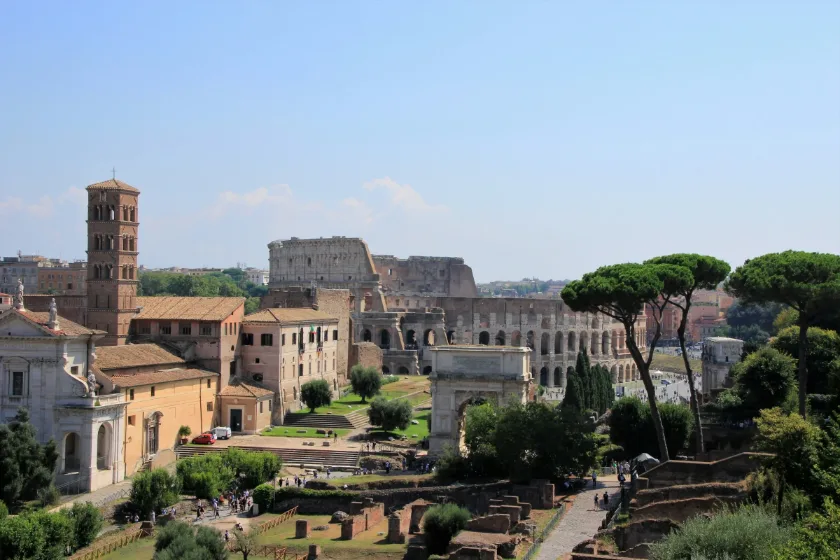
5. Imperial Fora
The series of public squares built by later emperors. A short, pleasant walk along Via dei Fori Imperiali.
Frequently Asked Questions
Do I need to buy tickets in advance?
Yes. All entries require a timed reservation. Same-day tickets rarely remain available at the booth.
Can I visit the arena floor?
Only with a Full Experience ticket or a specialized guided tour. Standard tickets do not include access to the arena floor.
Is the Colosseum worth it in summer?
It is, if you arrive early or late. Heat and crowds peak midday, so plan your visit outside those hours.
Are there free entry days?
Yes. The first Sunday of each month plus April 25, June 2, and November 4 are free entry days.
How long does security take?
Allow 15–20 minutes. Bags go through scanners. No large backpacks or liquids are permitted inside.
Can I combine the Colosseum with the Vatican in one day?
Most people find it too much. The sites sit on opposite sides of the city center. Save energy by dedicating a separate day for each.
What should I wear?
Comfortable shoes are a must as the ground is uneven stone. Modest clothing works best if visiting nearby religious sites.
Is photography allowed?
Yes, without flash or tripods in most areas. Drones are strictly not permitted around the archaeological site.