Louvre Museum, Paris
The Louvre Museum in Paris stands as one of the most significant cultural landmarks in the world. Originally a royal fortress built in the late 12th century, it evolved into a grand palace before opening its doors as a public museum in 1793 during the French Revolution. Today, it houses more than 35,000 artworks across nearly 800,000 square feet, covering 10,000 years of human history from ancient civilizations to the mid-19th century. Its collection includes pieces from Egypt, Greece, Italy, and beyond, making it a place where visitors connect directly with the past.
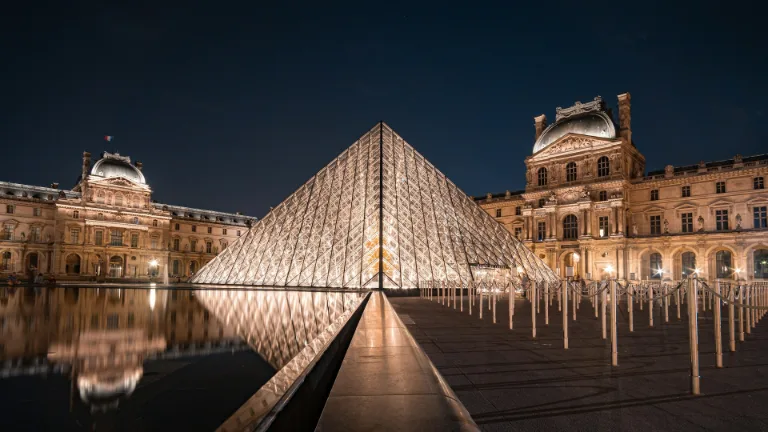
Each year, the Louvre welcomes around 9 million visitors, earning its title as the most visited museum on the planet. That works out to roughly 25,000 people walking through its halls on a typical day. The iconic glass pyramid, designed by architect I.M. Pei and completed in 1989, serves as the main entrance and has become a symbol of modern Paris blending with its historic roots. Yet the real draw lies inside: masterpieces that have shaped how we see art and culture.
Walking through the Louvre feels personal. You might turn a corner and find yourself face-to-face with Leonardo da Vinci's Mona Lisa, her quiet gaze unchanged after centuries. Or stand before the Venus de Milo, its graceful form still commanding attention. The experience mixes awe with a sense of discovery. Whether you spend a few hours or a full day, the museum rewards those who come prepared. It offers more than photos and checklists. It invites you to slow down, observe details, and carry away a deeper appreciation for human creativity.
Snapshot
-
Ratings: 4.6 out of 5 (based on over 104,000 TripAdvisor reviews)
-
Location: Paris, France
-
Annual visitors: Approximately 9 million
-
Peak season: June to August (summer months bring the largest crowds)
-
Opening hours: Monday, Thursday, Saturday, Sunday: 9:00 AM – 6:00 PM; Wednesday and Friday: 9:00 AM – 9:00 PM; Closed Tuesdays
-
Duration: 3–4 hours for highlights (full day possible for deeper exploration)
-
Basic entry price: €22 for EEA citizens/residents; €32 for non-EEA visitors (as of January 14, 2026; under 18 free)
Why Visit the Attraction
The Louvre stands out for its sheer scale and the way it brings art from every corner of history under one roof. No other museum matches its combination of royal palace architecture, vast collections, and that unmistakable glass pyramid entrance. It feels less like a static display and more like a living conversation across time.
Here are the top three things to see:
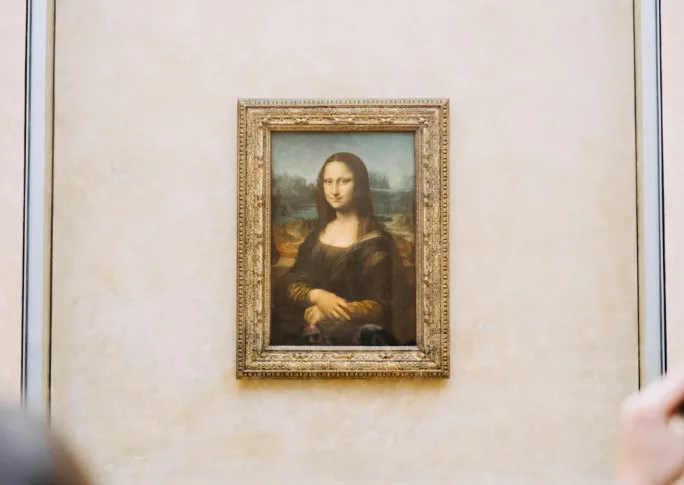
1. Mona Lisa
Stand before the Mona Lisa in the Denon Wing. The small painting draws crowds, but its subtle smile and masterful technique still captivate up close.
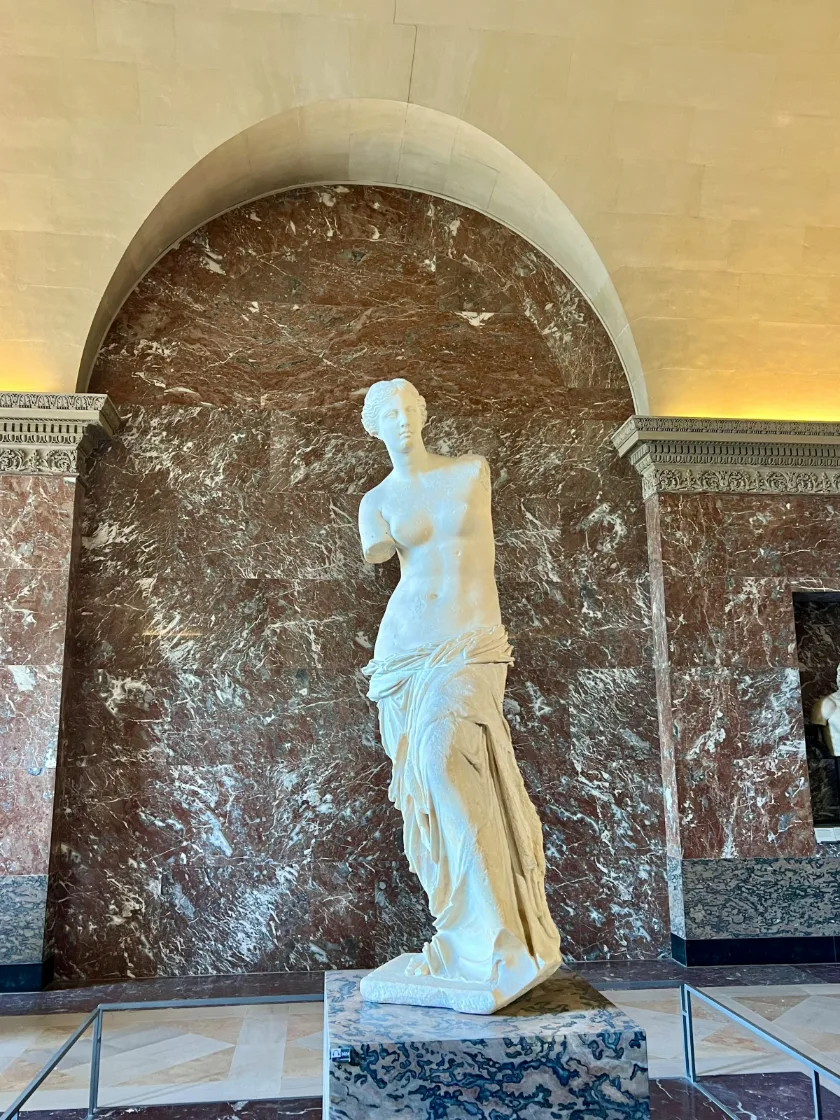
2. Venus de Milo
Admire the Venus de Milo on the ground floor of the Sully Wing. The ancient Greek statue’s poised form and missing arms create an elegant mystery that has inspired artists for generations.
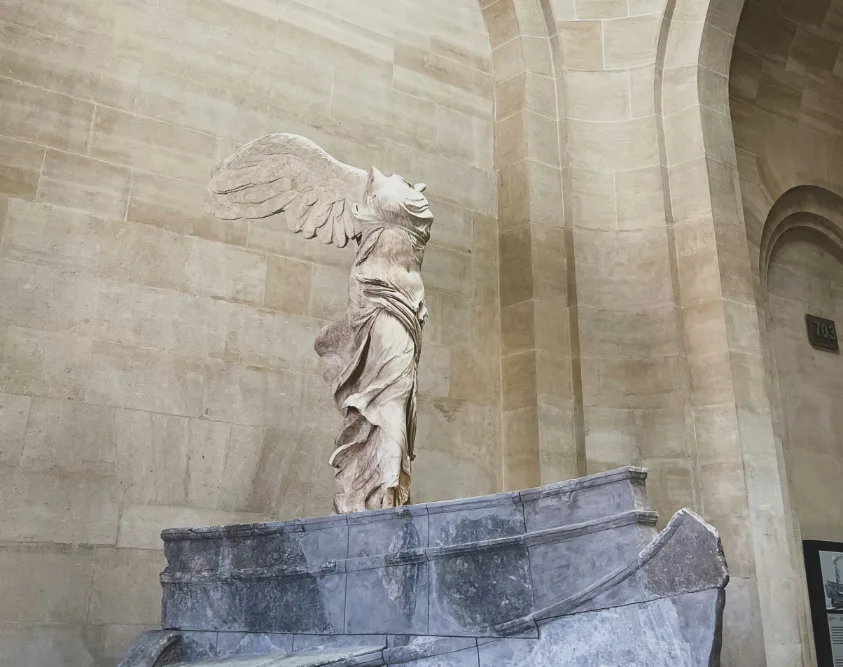
3. Winged Victory of Samothrace
Climb the stairs to the Winged Victory of Samothrace. This dramatic Hellenistic sculpture appears to soar above you, its marble drapery frozen in motion.
Must-see highlights extend beyond these icons. Look for Eugène Delacroix's Liberty Leading the People, with its bold colors and revolutionary spirit. Explore the medieval moat beneath the pyramid for a glimpse of the original fortress. Or wander through the Egyptian antiquities, where massive statues and detailed sarcophagi tell stories of pharaohs and daily life thousands of years ago. These pieces turn a simple visit into something memorable.
Plan Your Visit
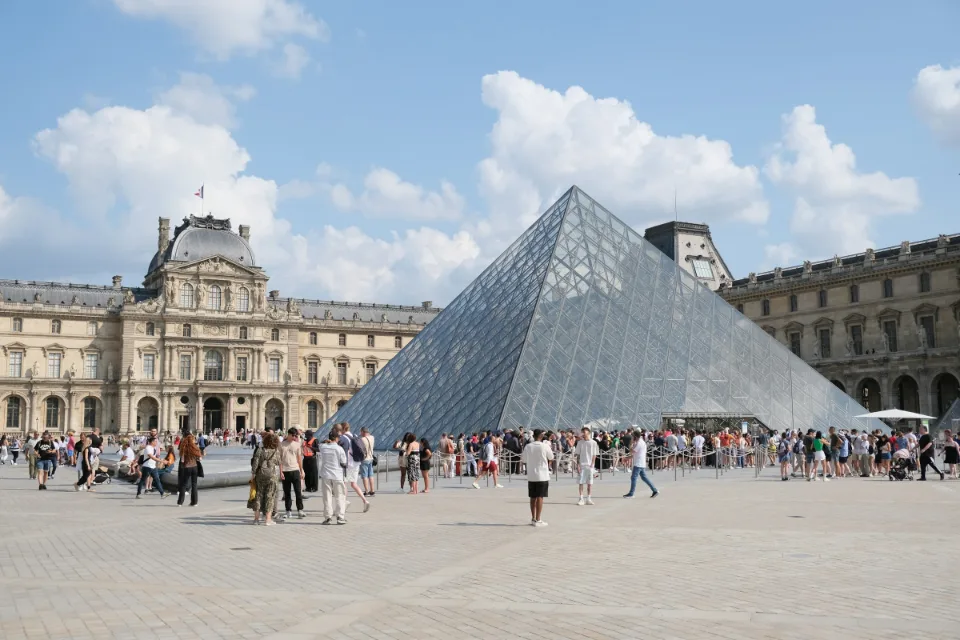
Opening Hours
The Louvre Paris Museum opens daily except Tuesdays. Monday, Thursday, Saturday, and Sunday run from 9:00 AM to 6:00 PM. Wednesday and Friday extend to 9:00 PM. Last entry is one hour before closing, and rooms clear 30 minutes prior. The museum closes on January 1, May 1, and December 25. Check the official site for any special adjustments on other holidays.
Duration
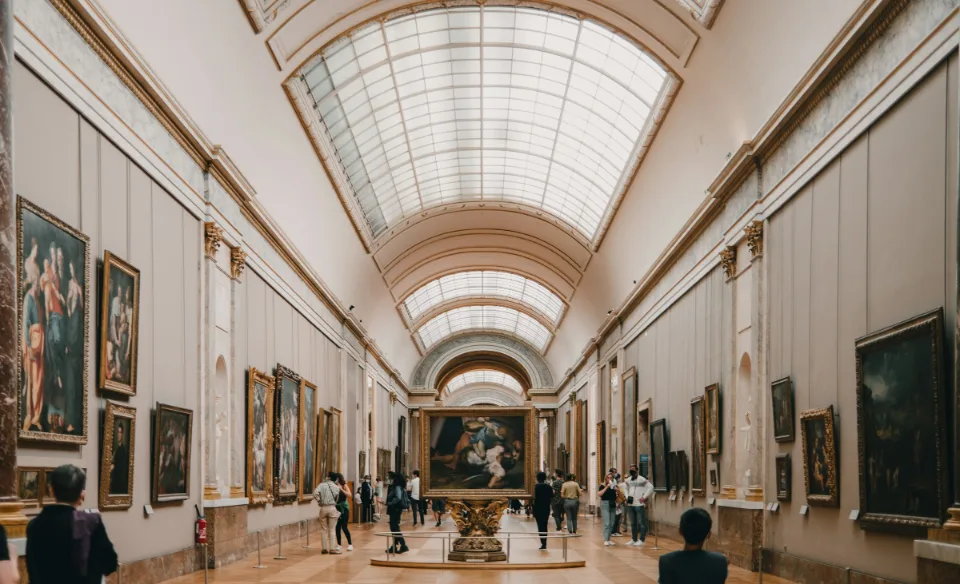
Plan for 3 to 4 hours to see the main highlights without rushing. A full day works if you want to explore multiple wings and take breaks. The museum's size means you cannot cover everything in one visit, so focus on priority areas.
Best Time to Visit
Arrive early morning right at opening or late afternoon after 3:00 PM for fewer crowds. Wednesday and Friday evenings offer a calmer pace with extended hours. Shoulder seasons in April–May or September–October bring milder weather and lighter attendance than summer. Avoid weekends and peak summer months if possible.
Accessibility
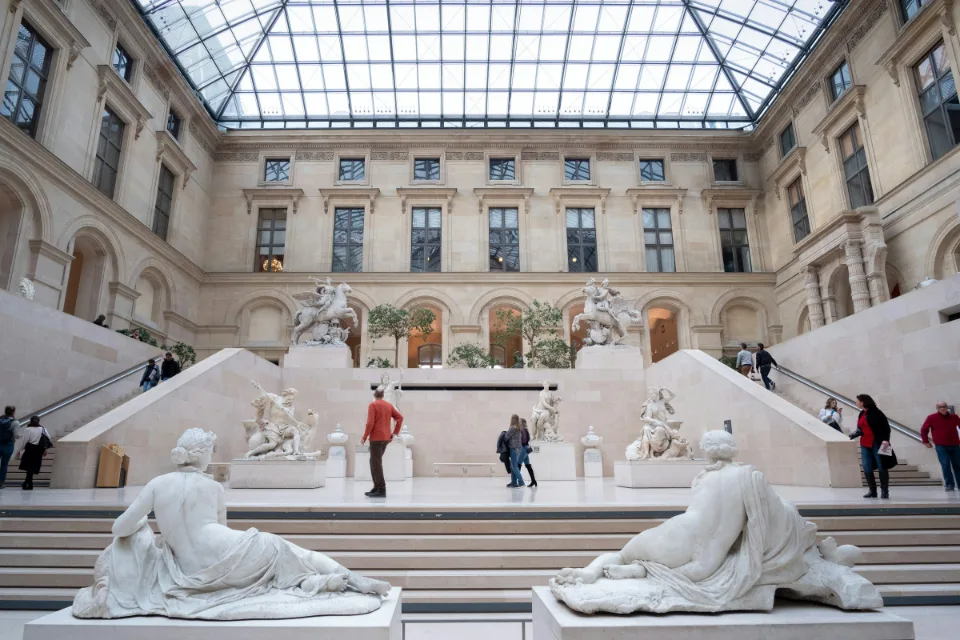
The Louvre provides free entry for disabled visitors and one companion with valid documentation. Priority access skips regular lines. Elevators and ramps cover most areas, though some older sections have limitations. Wheelchair rentals and audio guides with accessibility features are available. Staff can assist with specific needs.
How to Reach, Entrances
Take Metro lines 1 or 7 to Palais Royal Musée du Louvre station. The main entrance is the Pyramid in the Cour Napoléon. For shorter lines, use the Carrousel du Louvre (underground via the shopping mall) or Porte des Lions. Both accept pre-booked tickets. Buses and taxis drop off nearby, but public transit is the simplest.
Tours & Experiences
Guided tours help you navigate the vast space efficiently. Official Musée du Louvre guides lead small groups through highlights like the Mona Lisa and Winged Victory, sharing context that brings the art to life. English tours run daily at set times. Private or semi-private options suit those who want a customized pace. Audio guides and self-guided digital trails are also available for independent exploration. Many visitors combine a Louvre visit with a Seine River cruise or a tour of nearby sites for a fuller day. Booking ahead ensures availability, especially in busy periods.
Book Your Tickets Now!
History
The Louvre began as a defensive fortress around 1190 under King Philip II to protect Paris from invaders. Over the centuries, French kings expanded it into a lavish palace. Francis I brought Renaissance art to France in the 1500s, including works by Leonardo da Vinci. Later rulers added wings and collections, turning the site into a center of royal power and culture.
During the French Revolution in 1789, the palace became a symbol of the old regime. After the French Revolution, the government converted the palace into a public museum. It officially opened on August 10, 1793, making it one of the world's first national public museums. Napoleon later expanded the collection significantly through military campaigns, adding thousands of works from across Europe and beyond.
Today, Musée du Louvre continues to evolve. Recent updates address overcrowding and preservation needs, ensuring the collections remain safe for future generations. Its story reflects France's changing identity - from monarchy to republic - while keeping art at the center.
Visitor Reviews
Visitors consistently praise the Louvre's collection. Many describe the Mona Lisa and ancient sculptures as unforgettable, noting how the art feels more impressive in person. The 4.6 rating on major review sites reflects strong appreciation for the depth of exhibits and the pyramid's design. Common feedback mentions the helpful layout once inside and the value of timed tickets for smoother entry.
Some reviews point out challenges like crowds around popular pieces and the museum's large size, which can feel overwhelming without a plan. Others highlight the peaceful evenings on extended-hour days. Overall, people leave with a sense of accomplishment and a desire to return for more.
Nearby Attractions
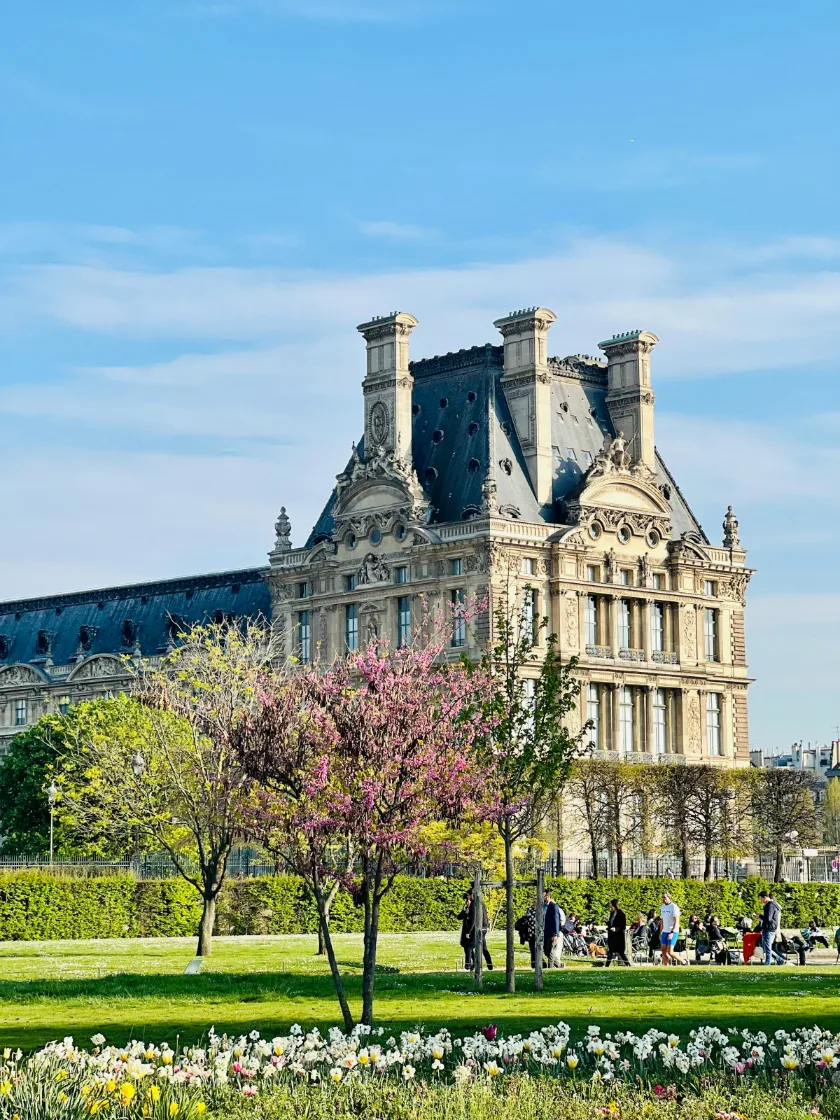
1. Tuileries Garden
A short walk west offers formal French gardens, fountains, and benches for a quiet break.
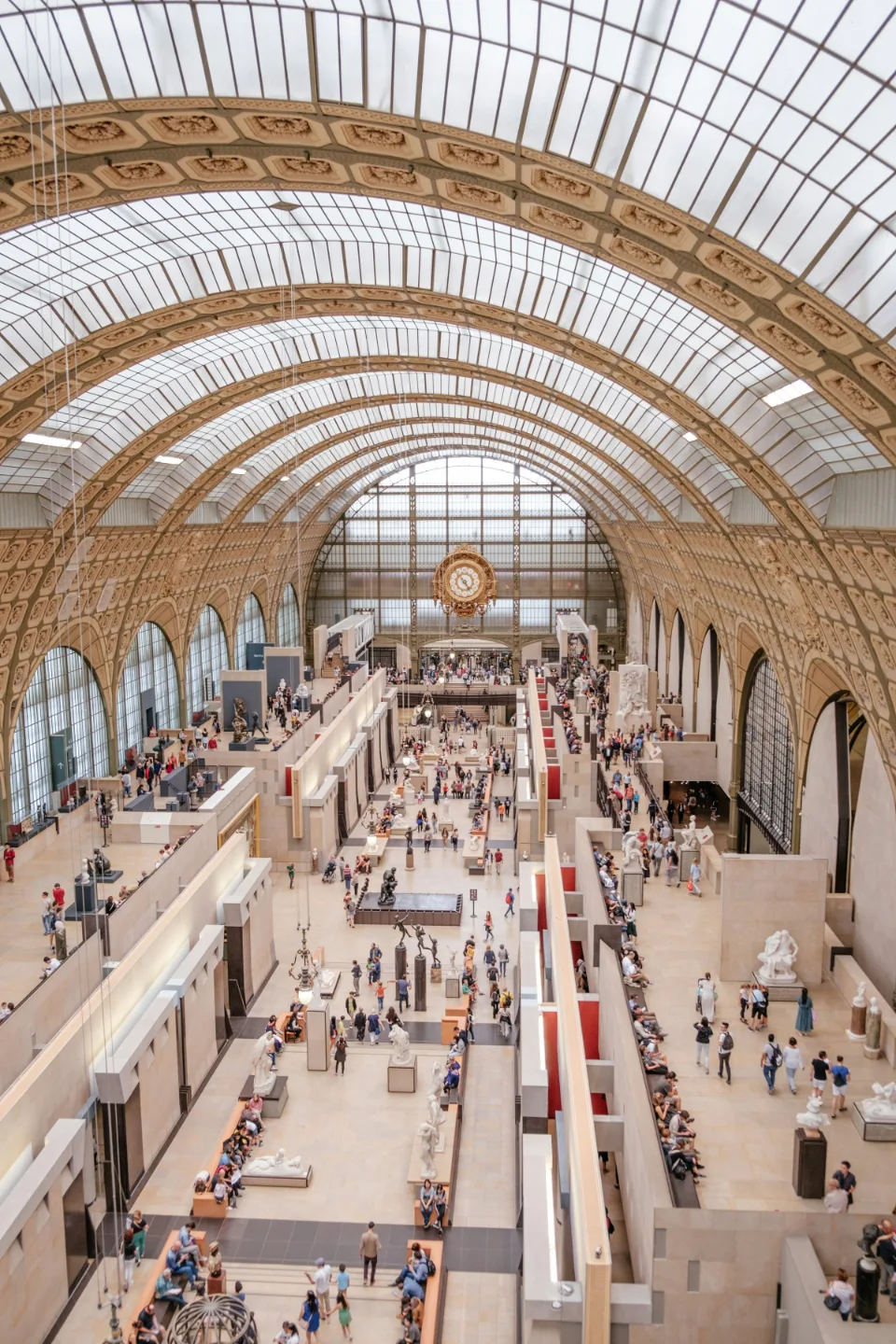
2. Musée d'Orsay
Across the Seine, this former train station now displays Impressionist masterpieces by Monet and Van Gogh.
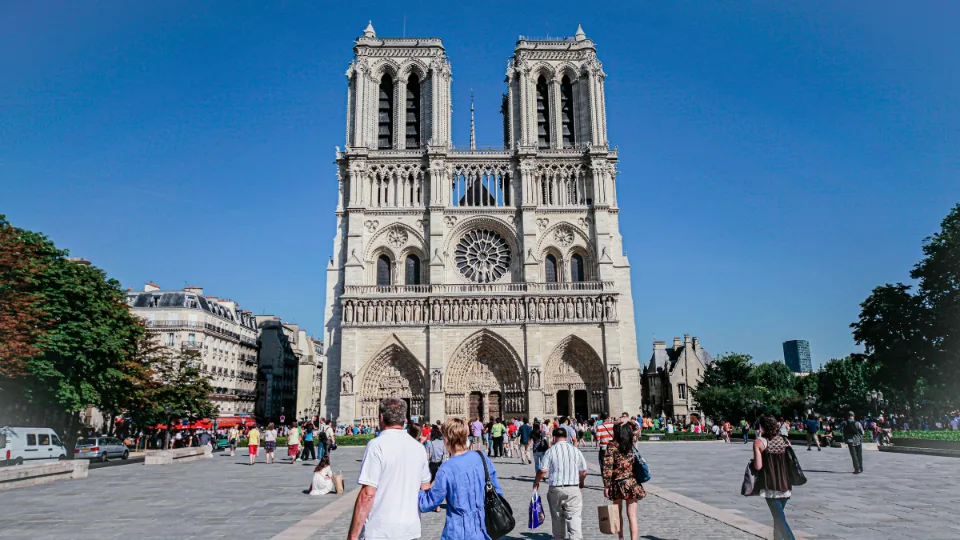
3. Notre-Dame Cathedral
A pleasant stroll along the river leads to this Gothic landmark on Île de la Cité.
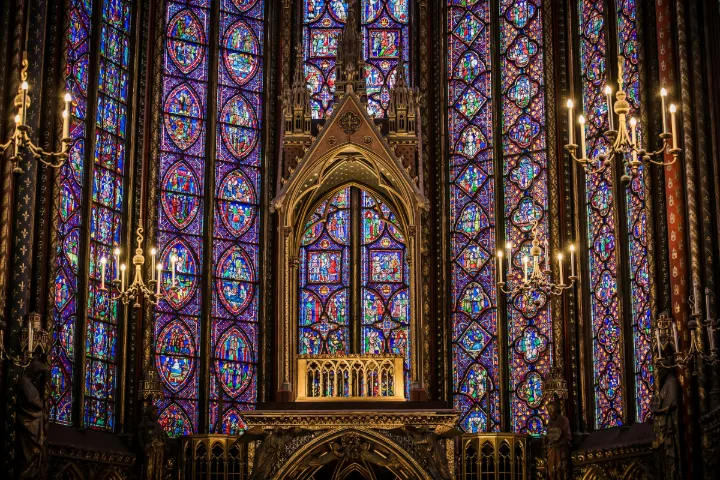
4. Sainte-Chapelle
Nearby on the same island, its stained-glass windows create a colorful, light-filled experience.
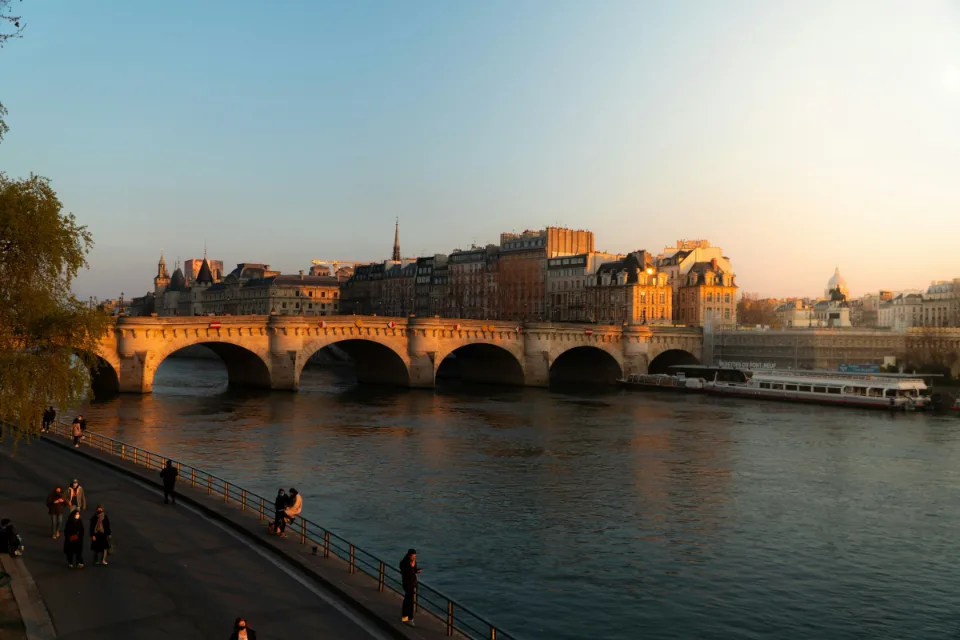
5. Pont Neuf
The oldest bridge in Paris provides scenic views and easy access to boat tours details.
Frequently Asked Questions
Do I need to book tickets in advance?
Yes. Timed tickets are strongly recommended to guarantee entry and avoid long waits, especially during peak months.
Is the Louvre Paris Museum free for anyone?
Visitors under 18 and EEA residents under 26 enter free. Additional free days include the first Friday evening of the month (outside July–August) and July 14.
Can I take photos inside?
Photos without flash are allowed in most areas, but tripods and selfie sticks may be restricted in crowded spots.
How long do I need to see the Mona Lisa?
Expect 10–20 minutes in line at peak times, though the painting itself is quick to view once you reach it.
Are there places to eat inside?
Yes. Several cafés and restaurants operate within the museum, including options with pyramid views. Outside, the Tuileries Garden has casual spots.
What should I wear or bring?
Comfortable shoes are essential for the extensive walking. Layers work well since indoor temperatures stay moderate. Small bags are allowed; larger ones may need checking.