Sagrada Familia, Barcelona
The Sagrada Familia is a defining landmark of Barcelona and a global architectural marvel. Designed by Antoni Gaudí, this minor basilica has been under construction since 1882. The year 2026 marks the centenary of Gaudí's death and coincides with the completion of the central Tower of Jesus Christ. This addition brings the structure to a final height of 172.5 meters, making it the tallest church in the world.
With 4.87 million visitors recorded in 2025, it remains one of the most visited monuments in Europe. The building is famous for its intricate facades and an interior that resembles a massive stone forest bathed in colorful light. Funding for this continuous project comes exclusively from private donations and visitor ticket sales. When you buy a ticket, you contribute to the ongoing construction of this historic site. This guide covers the practical details you need to navigate the crowds and organize a successful visit.
Snapshot
-
Ratings: 4.8/5 average on major booking platforms
-
Location: Barcelona, Spain
-
Annual visitors: 4.87 million
-
Peak season: May through September
-
Opening hours: 9:00 AM – 6:00 PM in winter, extending up to 8:00 PM in summer
-
Duration: 1.5 to 2.5 hours
-
Basic entry price: From €26 (official), with audio guide packages starting around $40 on GetYourGuide
Why Visit the Sagrada Familia
The Sagrada Familia breaks all conventions of traditional church architecture. Gaudí looked to nature for inspiration, avoiding straight lines and replacing standard gothic elements with organic forms. The result is a structure that feels alive. You can spend hours examining the exterior stonework before even stepping inside.
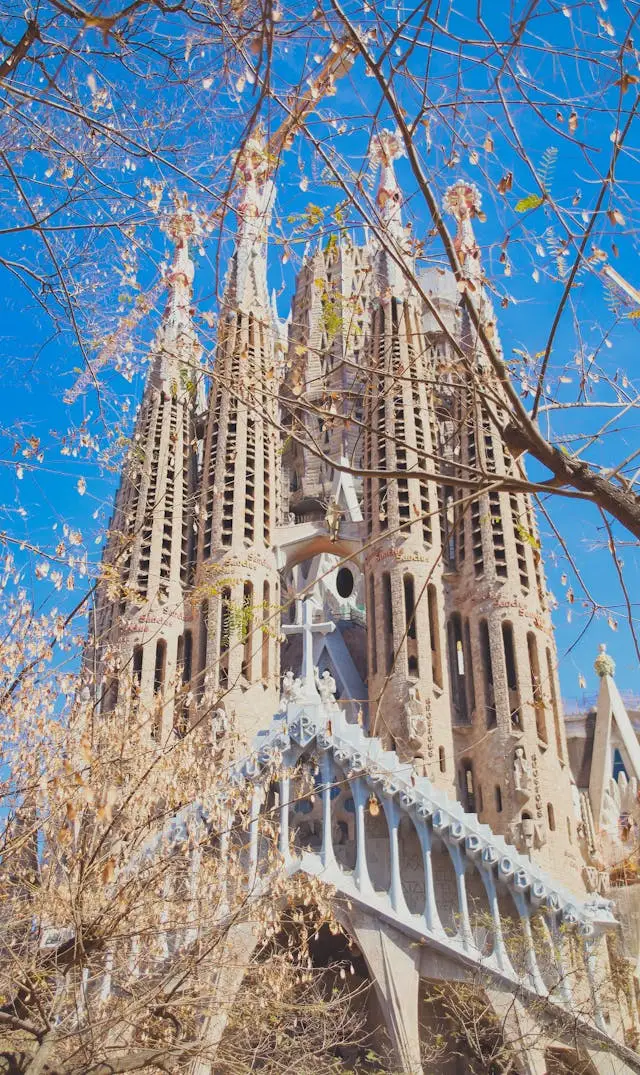
The building features three main facades, each representing a different phase of the life of Jesus. The contrast between these exterior walls is a major point of interest for visitors. Inside, the design shifts from complex stonework to an expansive display of light and geometry.
Here are the top three things to see or do:
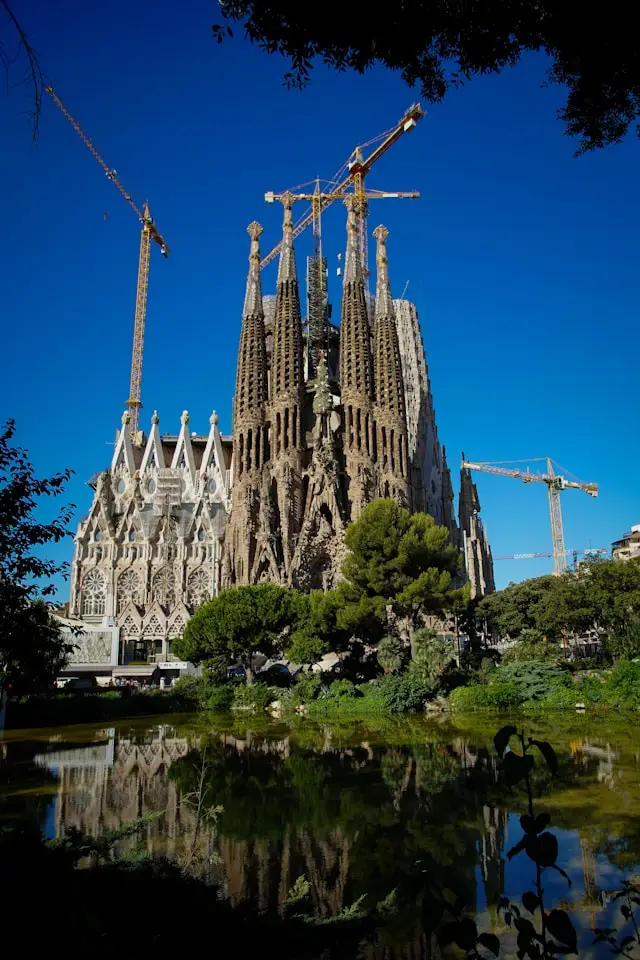
1. The Nativity Facade
Completed under Gaudí's supervision, this east-facing entrance features detailed sculptures of nature and figures that appear to grow organically over the stone.
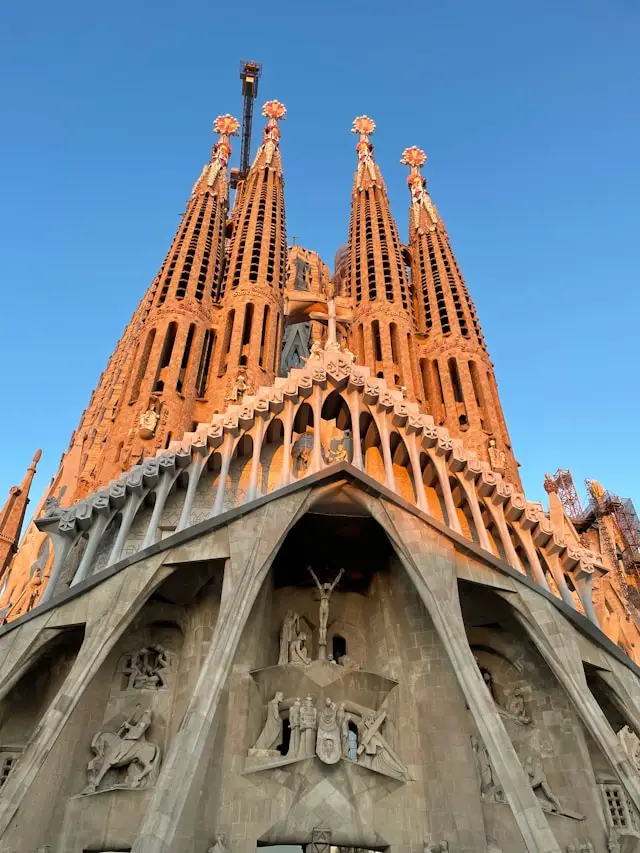
2. The Passion Facade
Facing west, this stark, angular facade by Josep Maria Subirachs depicts Jesus' suffering. Its modern severity contrasts with the organic Nativity side.
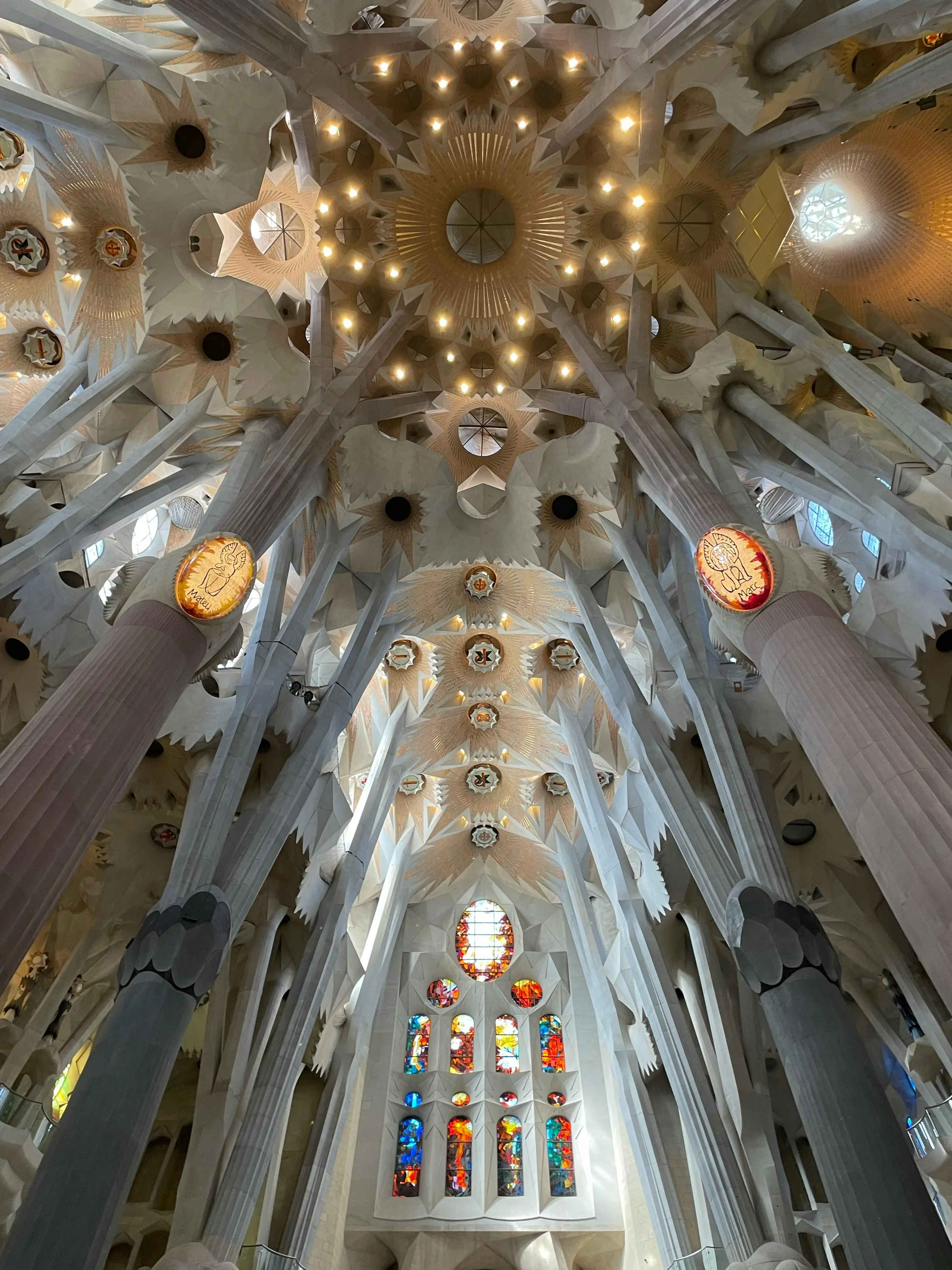
3. The Interior Forest
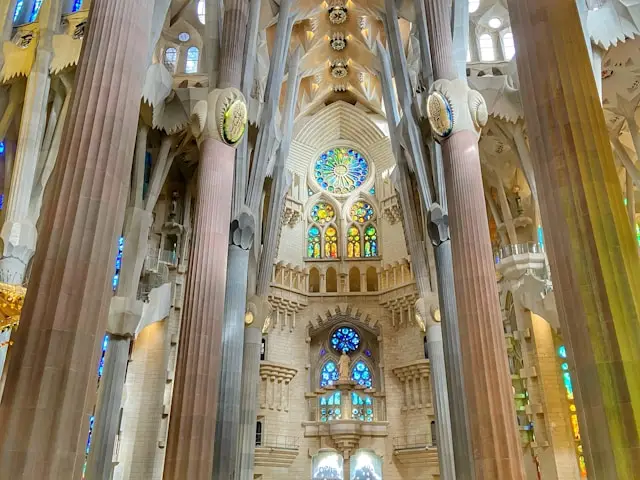
Gaudí used branching pillars to mimic a forest canopy, a design that supports the roof's immense weight without external buttresses.
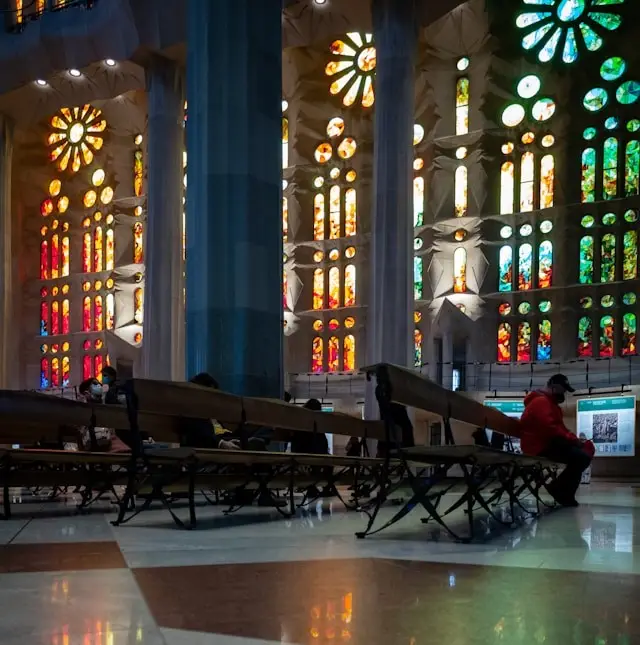
The stained glass windows are a highlight of the interior. Gaudí designed them to capture and filter the Mediterranean light. The eastern windows feature cool blues and greens that catch the morning sun. The western windows use warm reds and oranges to capture the afternoon light.
You should also set aside time for the museum located in the basement. It houses original drawings, plaster models, and photographs detailing the construction process from the late 19th century to the present day. You can see the inverted string models Gaudí used to calculate the structural load of the complex arches.
Plan Your Visit
Opening Hours
The basilica is open every day of the year. From November to February, the site opens at 9:00 AM and closes at 6:00 PM from Monday to Saturday. On Sundays, it opens at 10:30 AM and closes at 6:00 PM. During March and October, closing time extends to 7:00 PM. From April through September, the basilica remains open until 8:00 PM.
Duration
A standard visit to the main floor and the basement museum takes about 1.5 to 2 hours. If your ticket includes a visit to one of the towers, you should add another 30 to 45 minutes to your schedule.
Best Time to Visit
Arriving right at opening time (9:00 AM) allows you to experience the quiet hour and see the cool morning light. Late afternoon visits offer spectacular warm light. The midday slots between 10:30 AM and 3:00 PM are the busiest.
Tickets & Prices
You must purchase tickets in advance online. The official website sells basic entry tickets for €26. Due to the high demand, these official tickets often sell out weeks in advance during the peak summer season.
How to Reach, Entrances & Accessibility
The basilica is located in the Eixample district at Carrer de Mallorca, 401. The easiest way to arrive is
via the Barcelona Metro. You can take the L2 (Purple) or L5 (Blue) lines to the Sagrada Familia station.
The station exits put you right next to the site.
The visitor entrance is located on Carrer de la Marina, on the side of the Nativity Facade. Have your
digital tickets downloaded and ready for scanning. You will pass through an airport-style security check
before entering the grounds.
The main floor of the basilica and the basement museum are fully accessible for wheelchair users. Visitors
with reduced mobility can enter for free, but they still need to secure a ticket online in advance. The
towers are not accessible to wheelchair users or visitors with mobility issues.
Tours & Experiences
Choosing how to explore the basilica dictates your experience. A self-guided audio tour is a great choice if you prefer moving at your own pace. The official app provides detailed commentary on the architecture and history. This option allows you to linger in the nave or sit on the benches to watch the light change across the stone columns.
Guided tours provide a structured narrative. The official guides and certified local guides from booking platforms know how to navigate the busy interior. They point out specific symbols in the stonework that you might otherwise miss, such as the magic square on the Passion Facade or the stone turtles supporting the columns of the Nativity Facade.
Tower access is a distinct experience. You must choose between the Nativity Tower or the Passion Tower when booking. The Nativity Tower offers views of the eastern part of Barcelona and a close look at Gaudí's original ceramic details. The Passion Tower provides views of the city center and the Mediterranean Sea.
Book Your Tickets Now!
History
The project began in 1882 under the direction of architect Francisco de Paula del Villar. He envisioned a standard Gothic revival church. A year later, Villar resigned, and Antoni Gaudí took over the project. Gaudí discarded the original plans and proposed the ambitious, nature-inspired design we see today.
Gaudí dedicated his life to the Sagrada Familia, living on the construction site in his later years. When he died in a tram accident in 1926, less than a quarter of the project was complete. His tomb is located in the crypt beneath the main altar.
Construction suffered major setbacks over the decades. During the Spanish Civil War in 1936, anarchists broke into Gaudí's workshop and destroyed his original plans and plaster models. Successive architects had to piece together the shattered models to understand his vision and continue the work.
The reliance on private donations meant progress was often slow. The surge in global tourism over the last two decades provided the necessary funds to accelerate construction. The year 2026 holds deep significance for the city as it marks the 100th anniversary of Gaudí's death and features a calendar of commemorative events alongside the completion of the central tower.
Visitor Reviews
Feedback from visitors highlights the visual impact of the interior. Many travelers express surprise at the scale of the space and the brightness of the stained glass windows. A common theme in reviews is the importance of booking well in advance. Visitors who try to buy tickets on the same day are almost always turned away.
Some reviewers note that the crowds can be overwhelming during the midday hours, making it difficult to find a quiet space to sit. Others mention that the walk down from the towers is steep and can be uncomfortable for those afraid of heights or tight spaces. Despite the busy environment, the general consensus is that the architectural details justify the price of admission.
Nearby Attractions
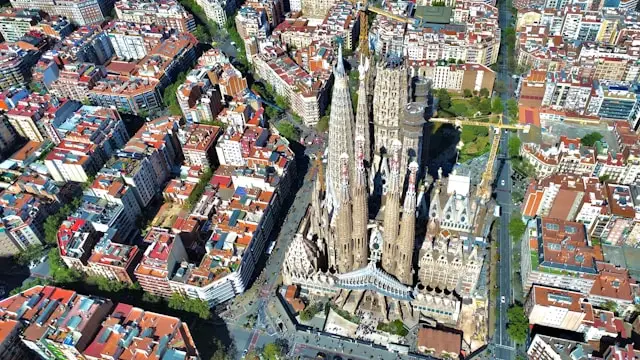
The Sagrada Familia sits in Barcelona's Eixample district. Five spots you can reach on foot or by metro make a natural full day.
1. Hospital de Sant Pau
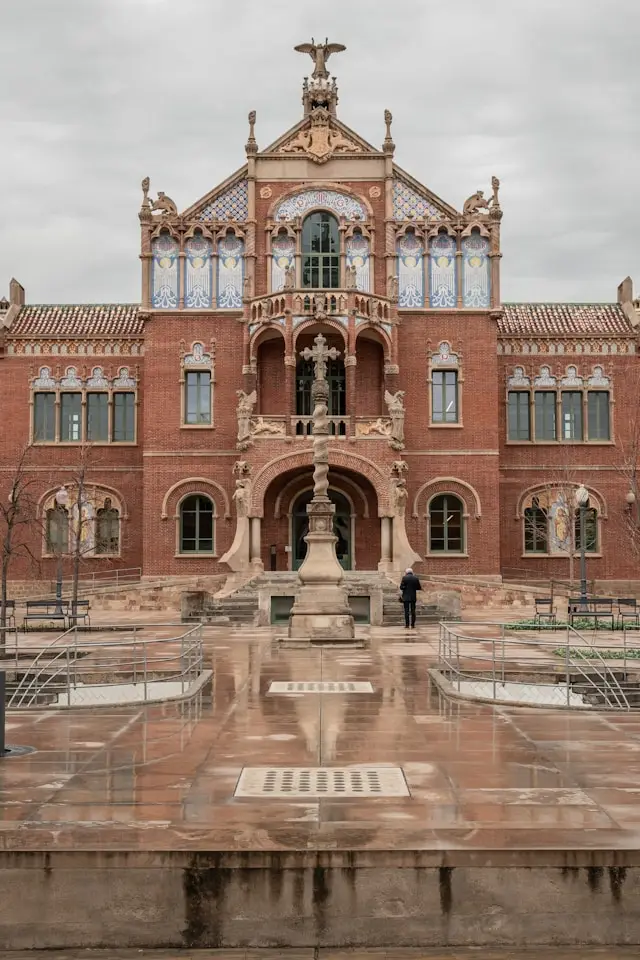
Located just a short walk up Avinguda de Gaudí, this former hospital is a masterpiece of Art Nouveau architecture designed by Lluís Domènech i Montaner.
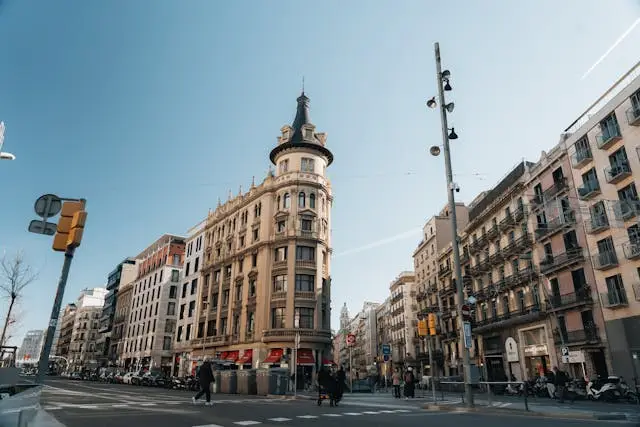
2. Passeig de Gràcia
This major avenue is a 20-minute walk or a short metro ride away. It is home to two of Gaudí's famous residential buildings: Casa Batlló and Casa Milà (La Pedrera).
3. Gràcia Neighborhood
Walking northwest from the basilica brings you into the Gràcia district. This area feels like a separate village with narrow streets, independent boutiques, and squares.
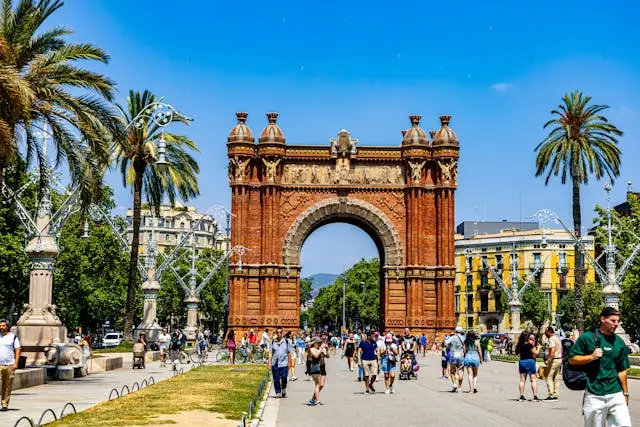
4. Arc de Triomf
A 30-minute walk south leads to this red brick monument, built as the main access gate for the 1888 Barcelona World Fair.
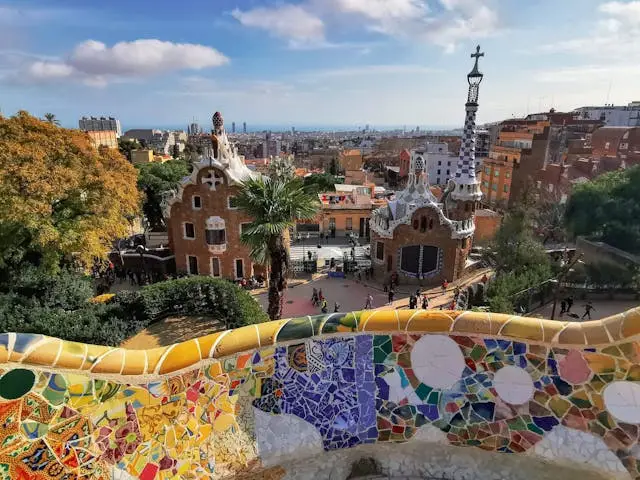
5. Park Güell
Though a bit further out, this public park system is another crucial Gaudí site. It features more of his organic architectural elements, intricate tilework, and sweeping views.
Frequently Asked Questions
Is there a dress code for the Sagrada Familia?
Yes. As an active Catholic basilica, visitors must dress modestly. You need to cover your shoulders and knees. Hats are not allowed inside the main nave. Staff at the entrance will deny entry to anyone wearing tank tops, short shorts, or see-through clothing.
Do I need to buy tickets in advance?
Booking in advance is mandatory. The basilica operates on a timed-entry system and tickets regularly sell out weeks ahead of time, especially between May and September. There is no ticket booth on site for same-day sales.
Can I attend a religious service there?
Yes. The basilica holds international masses on Sunday mornings and Saturday evenings. Entry to the mass is free and open to the public, but seating is limited and available on a first-come, first-served basis. You do not get a chance to tour the building during mass.
Which tower should I choose to visit?
The choice depends on your preference. The Nativity Tower features Gaudí's original stonework and looks out over the eastern side of the city. The Passion Tower is a modern addition and offers views toward the city center and the ocean. The descent from both towers involves tight spiral staircases.