Tower of London
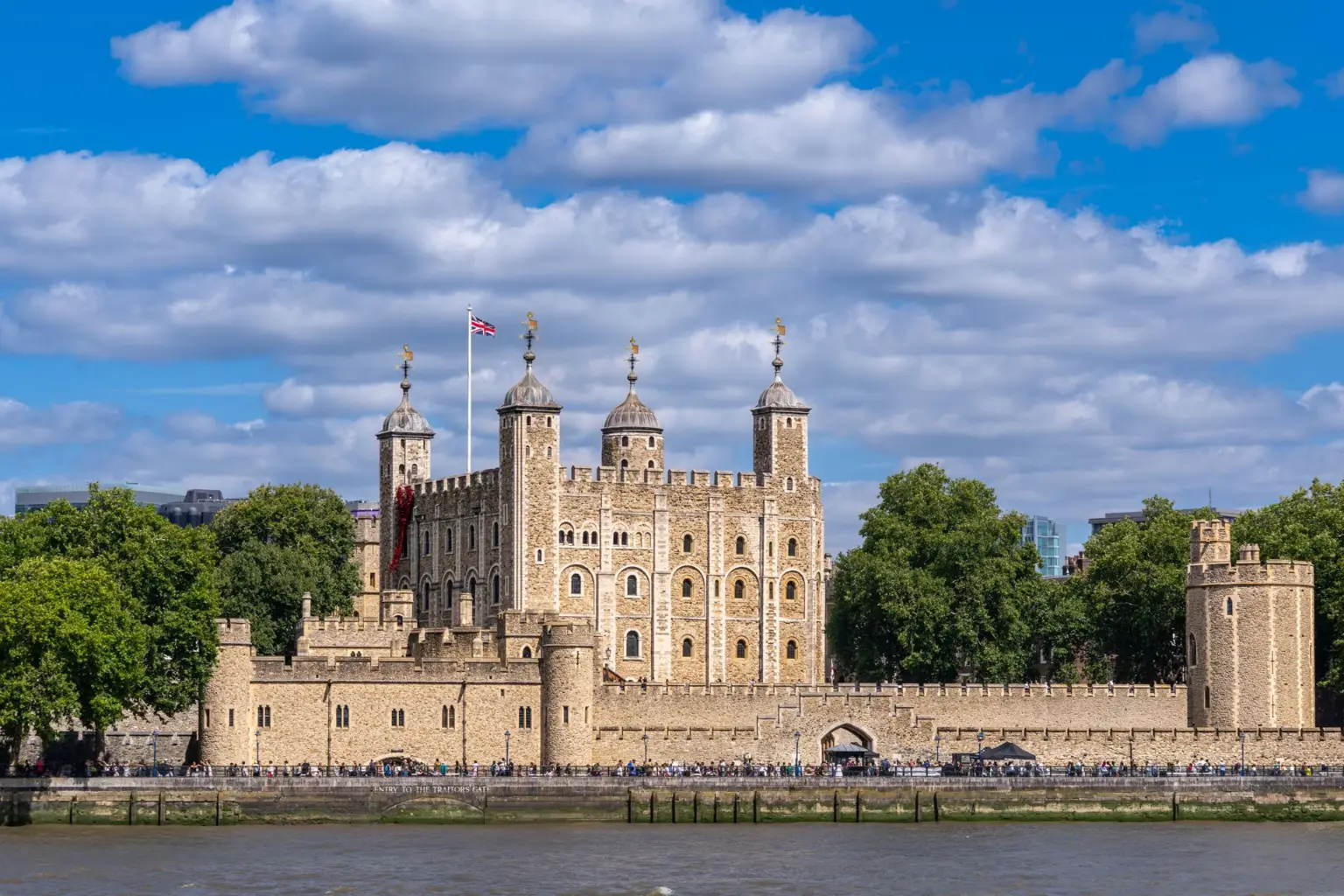
The Tower of London is a stone fortress that has watched over the River Thames for nearly a thousand years. Founded by William the Conqueror in 1078, this castle has served as a royal palace, a secure fortress, a notorious state prison, and a treasury. Today, it stands as one of the most significant historic sites in the United Kingdom, attracting over three million visitors annually. Its stone walls hold stories of royal drama, political betrayal, and ancient ceremonies that still take place every evening. Whether you want to view the dazzling coronation regalia or walk along the battlements where medieval guards once stood, the fortress offers a direct connection to British history. This guide will help you navigate your journey through the castle grounds, ensuring you make the most of your experience.
Snapshot
-
Ratings: 4.7/5 (based on traveler feedback)
-
Location: London, United Kingdom
-
Annual visitors: Over 3 million
-
Peak season: June through August
-
Opening hours: Tuesday to Saturday: 9:00 AM – 5:30 PM; Sunday to Monday: 10:00 AM – 5:30 PM (Summer hours)
-
Duration: 3 hours recommended
-
Basic entry price: £37.00 (Adults aged 18–64), £18.50 (Children aged 5–15)
Why Visit the Tower of London
The Tower of London is not just a single museum; it is a complex of historic structures that shaped the history of England. The unique feature of this castle is its incredible versatility throughout history. It was built to intimidate Londoners and defend the city, but it quickly became the center of royal power and, eventually, a place of confinement and execution. Walking through the gates feels like stepping back into a world where kings and queens made decisions that changed the map of the world.
Here are the top three things to see or do:
1. View the Crown Jewels
Housed inside the Jewel House, this collection of ceremonial items is still used in royal ceremonies today. You can observe the Imperial State Crown, which is set with nearly 3,000 diamonds, sapphires, emeralds, and pearls. The collection also includes the Sovereign’s Sceptre with Cross, containing the Cullinan I diamond, the largest top-quality cut diamond in the world.
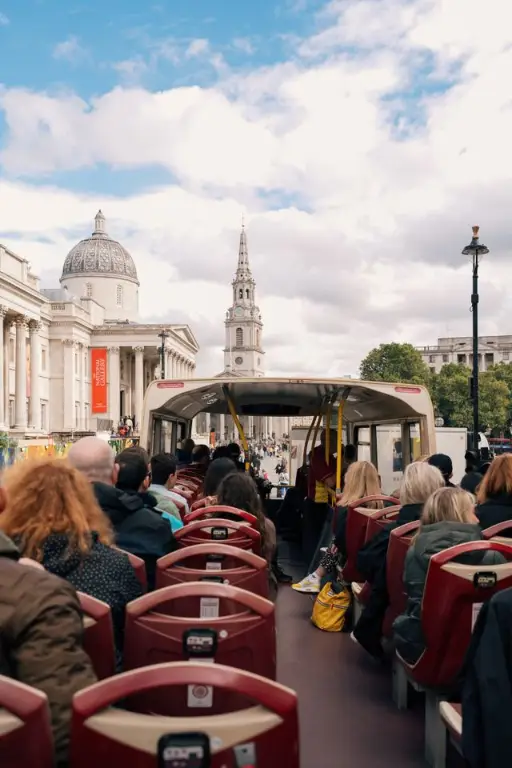
2. Join a Yeoman Warder Tour
The Yeoman Warders, popularly known as Beefeaters, have guarded the fortress since the Tudor period. Today, these military veterans lead guided tours around the grounds. They share stories of torture, imprisonment, and execution, blending historical accuracy with dry humor.
3. Meet the Tower Ravens
According to a legend dating back to the reign of King Charles II, at least six ravens must remain at the fortress at all times. If the ravens leave, the castle and the kingdom will fall. Today, you can spot these intelligent birds roaming the grassy areas of the inner ward. They are cared for by a dedicated Ravenmaster.
Beyond the main sights, make sure to visit the White Tower, the oldest part of the fortress. Inside, you will find the Royal Armouries collection, displaying historic suits of armor made for King Henry VIII. Stop by the Bloody Tower, where the young "Princes in the Tower" allegedly vanished in 1483. Finally, walk along the ramparts at Traitors' Gate, the water entrance through which many famous prisoners, including Queen Elizabeth I before she took the throne, entered the fortress.
Plan Your Visit
Opening Hours
During the summer months, from March through October, the castle is open Tuesday through Saturday from 9:00 AM to 5:30 PM, and on Sundays and Mondays from 10:00 AM to 5:30 PM. During the winter, from November through February, the gates close earlier at 4:30 PM. The last admission is always one and a half hours before closing time, though you should arrive much earlier to see everything.
Duration
We recommend setting aside at least three hours for your visit. The grounds cover twelve acres, and there are multiple buildings, towers, and exhibitions to explore. If you plan to join a Yeoman Warder tour and queue for the Crown Jewels, four hours will allow you to explore at a more relaxed pace.
Best Time to Visit
To avoid the longest lines, arrive at the gates fifteen minutes before opening time. Midweek days, specifically Tuesday through Thursday, are generally quieter than weekends. If you visit during the shoulder seasons of spring or autumn, you will experience milder weather and fewer crowds than in the busy summer months.
Tickets & Prices
Standard adult tickets booked online start at £37.00. Children aged five to fifteen can enter for £18.50, and children under five enter for free. Concession rates are available for seniors, students, and visitors with disabilities. It is highly recommended to buy tickets online in advance to secure your timeslot and avoid waiting in the long ticket-office lines.
How to Reach, Entrances & Accessibility
The easiest way to reach the fortress is by the London Underground. Tower Hill Station, on the District and
Circle lines, is only a five-minute walk from the main entrance. You can also arrive by River Bus, landing
at Tower Pier directly outside the castle walls. The main entrance for ticket holders is the West Gate,
located near the ticket office.
While the historic nature of the medieval buildings presents some physical challenges, many parts of the
fortress are accessible. The Crown Jewels exhibition is fully wheelchair accessible. Pathways across the
grounds are mostly paved, though there are areas of uneven cobblestones. Wheelchairs are available to borrow
at the entrance on a first-come, first-served basis, and carers are entitled to a free ticket.
Tours & Experiences
Taking part in an organized experience is one of the best ways to understand the layered history of the castle.
The most famous option is the Yeoman Warder tour, which departs every thirty minutes from the main entrance.
This tour is included in your general admission ticket, and there is no need to book it separately. It provides
an excellent introduction to the architecture and dark legends of the site.
For a truly unique experience, you can try to secure tickets for the Ceremony of the Keys. This is the
traditional locking of the fortress gates, which has taken place every single night for over 700 years. The
Chief Yeoman Warder, accompanied by an escort of active military guards, marches through the dark to lock the
outer gates. Tickets for this evening event are very inexpensive, but they must be booked online months in
advance due to high demand.
If you prefer a self-guided experience, audio guides are available in several languages at the entrance. These
guides allow you to walk the battlements and explore the towers at your own pace while listening to dramatized
historical accounts.
Book Your Tickets Now!
History
The story of the Tower of London began after the Norman Conquest of England. William the Conqueror ordered the construction of a great stone tower to assert his authority over the citizens of London and protect the city from invaders. Completed around 1097, this central building became known as the White Tower. It was a massive structure of white limestone imported from France, dominating the medieval skyline.
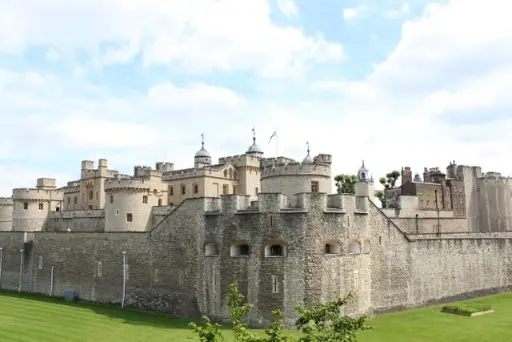
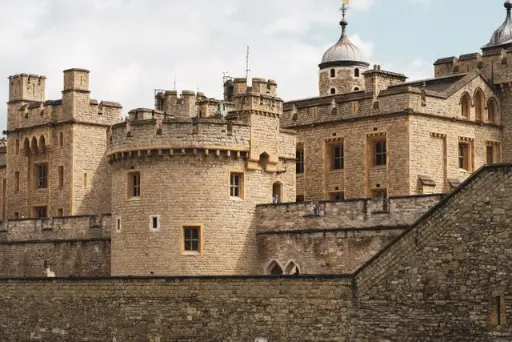
Over the next few centuries, subsequent monarchs expanded the fortress. King Henry III and King Edward I added defensive walls, a moat, and additional smaller towers, turning the site into one of Europe's most secure concentric castles.
During the Tudor period, the focus of the castle shifted. While it remained a royal residence, it became
increasingly famous as a state prison. Henry VIII used the fortress to imprison those who opposed his religious
and political reforms. His second wife, Anne Boleyn, and his fifth wife, Catherine Howard, were both imprisoned
and executed on Tower Green.
As the centuries passed, the fortress took on other roles. It housed the Royal Mint, producing the nation's
coins, and the Royal Observatory. It was also home to the Royal Menagerie, where lions, polar bears, and
elephants were kept to entertain the court. This exotic zoo eventually moved to Regent's Park in the nineteenth
century, becoming the foundation of the London Zoo. Today, the castle is protected as a UNESCO World Heritage
Site, preserved to share its stories with future generations.
Visitor Reviews
Most visitors praise the incredible depth of history on display and the engaging presentation of the exhibits. Many reviews highlight the Crown Jewels as a major highlight, though travelers frequently recommend viewing them early in the day to avoid long queues.
The Yeoman Warders receive consistent praise for their ability to bring historical events to life. Travelers often note that the Beefeaters' stories are both educational and highly entertaining. Some visitors advise wearing comfortable, flat walking shoes, as the historic cobblestones can be difficult to navigate in heels or thin-soled footwear. The primary complaint from visitors is the summer crowd size, which is why early morning visits are so highly recommended.
Nearby Attractions
The fortress is located in a historic part of London, making it easy to combine your visit with other sights in the area.
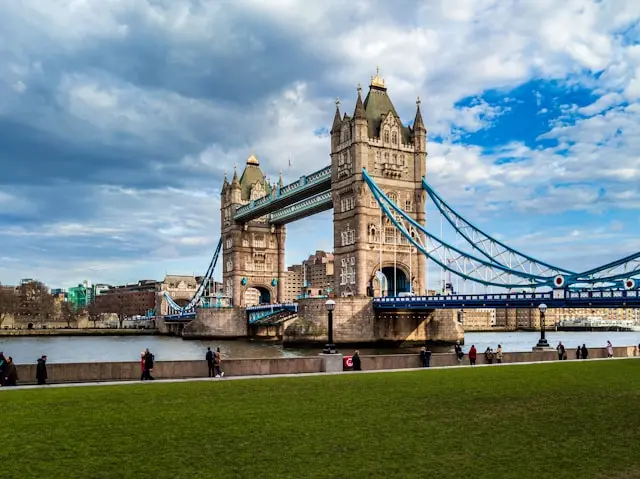
1. Tower Bridge
This Victorian suspension bridge is located next to the castle. You can walk across it for free, or buy a ticket to access the high-level walkways and the historic engine rooms.

2. HMS Belfast
Permanently moored on the River Thames, this historic Royal Navy light cruiser is now a floating museum. It offers a detailed look at life at sea during World War II.

3. The Sky Garden
Located at the top of the nearby "Walkie Talkie" building, this indoor garden offers panoramic views of the city skyline. Entry is free, but you must reserve your ticket online in advance.

4. Borough Market
Located just across London Bridge, this historic food market is the perfect spot for lunch. It features dozens of stalls selling fresh local produce and international street food.
5. The Monument to the Great Fire of London
This stone column commemorates the rebuilding of the city after the devastating fire of 1666. If you climb the 311 spiral steps to the top, you will be rewarded with views of the historic City district.
Frequently Asked Questions
Can you see the real Crown Jewels at the Tower of London?
Yes. The real Crown Jewels are kept on permanent public display inside the Jewel House. The collection contains ceremonial items that are still used today by the royal family for coronations and major state events.
Is the Tower of London free to enter?
No, you must purchase a ticket to enter the castle grounds. However, the ticket includes access to almost all of the historic buildings, the Crown Jewels exhibition, and the Yeoman Warder guided tours.
Are there real ravens living at the castle?
Yes. There is a resident group of at least six ravens living on the grounds, looked after by the Ravenmaster. Their wings are slightly trimmed to encourage them to stay within the castle walls, in line with the ancient legend.
Can you take photos inside the buildings?
Photography is permitted in most outdoor areas of the castle grounds and inside many of the historic buildings. However, photography and filming are strictly prohibited inside the Jewel House and the Chapel Royal of St. Peter ad Vincula.
How do I get tickets for the Ceremony of the Keys?
Tickets must be booked in advance on the official Historic Royal Palaces website. Because it is a historic tradition with limited capacity, tickets are highly sought after and usually sell out months in advance.