Statue of Liberty
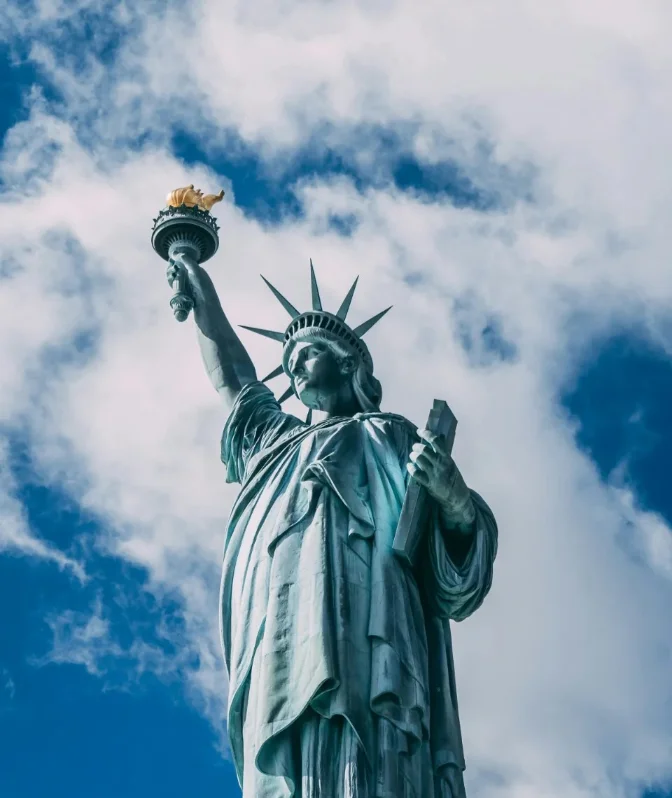
The Statue of Liberty rises from Liberty Island in New York Harbor like a steady welcome to anyone who approaches by water. Standing 305 feet tall from base to torch tip, this copper-clad figure has greeted millions since its dedication in 1886. France gave it to the United States as a symbol of shared values and friendship. Today it remains one of the most recognized landmarks in the world and a core stop for anyone visiting New York City.
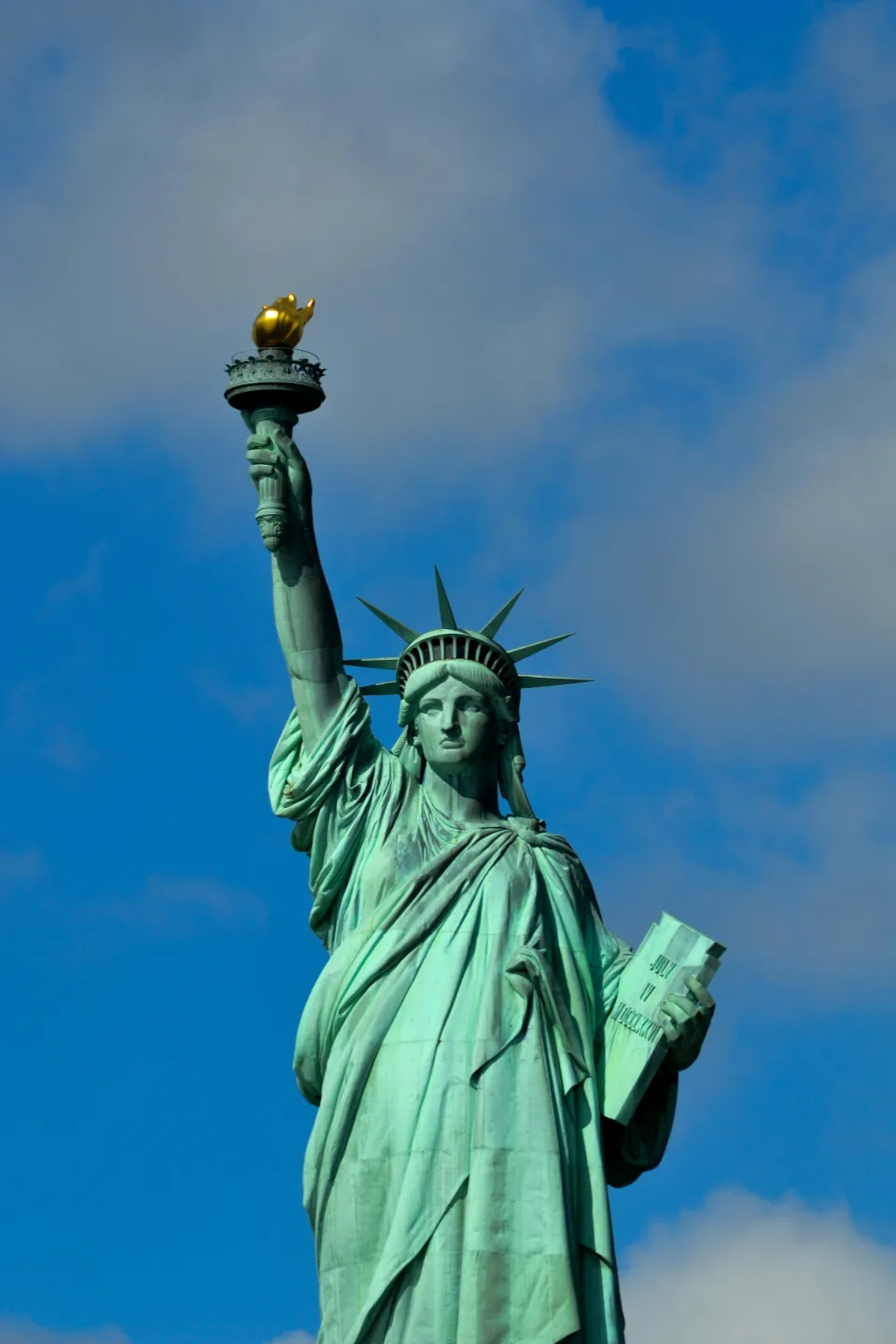
Each year roughly 3.7 million people make the ferry trip to see it up close. The statue itself weighs 225 tons, with its framework engineered by Gustave Eiffel. From the ground, its scale hits you first. The torch reaches high, the tablet in her left hand carries the date July 4, 1776, and the broken chains at her feet mark the end of oppression. Walk the island paths and you get clear views of the Manhattan skyline behind her. Many visitors say the moment the ferry rounds the bend and she comes into full view stays with them long after they leave.
The site pairs history with open space. You can circle the base, step inside the museum, or climb higher if your ticket allows. It works well as a half-day outing or a full day when you add Ellis Island. No matter how much time you spend, the experience feels grounded and real. You stand where immigrants once arrived, look out at the same harbor they saw, and understand why this statue matters beyond postcards. Whether you come for the views, the stories, or simply to check a major bucket-list item off your list, the Statue of Liberty delivers without needing hype. It simply stands there, steady and open to everyone who makes the trip.
Snapshot
-
Ratings: 4.5 out of 5 (based on thousands of recent traveler reviews)
-
Location: Liberty Island, New York City, New York, United States
-
Annual visitors: Approximately 3.7 million
-
Peak season: Summer (June through August)
-
Opening hours: Daily 9:00 AM to 5:00 PM (ferry schedules vary)
-
Duration: 3 to 5 hours (full day if you include Ellis Island)
-
Basic entry price: Adult ferry ticket starts at $26
Why Visit the Attraction
The Statue of Liberty offers something straightforward that few other sites match: a direct connection to ideas of freedom and arrival. It is not just a photo stop. It is a place where history, views, and personal reflection come together in one compact island visit.
Its most unique feature is the way it combines symbolism with access. You see the statue from the ferry, then walk right up to its base. The design details—crown spikes, flowing robe, raised torch—feel close enough to touch, even if you stay on the ground level.
Here are the top three things to see or do:
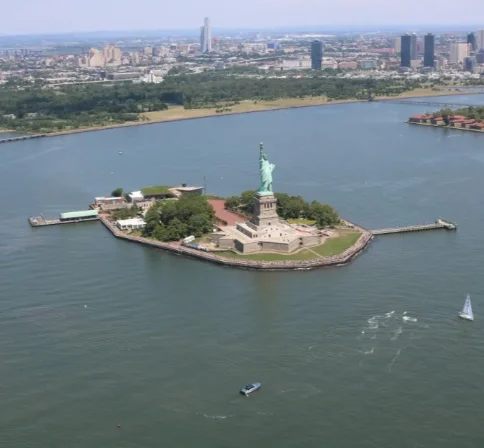
1. Circle the Island
The paths let you view her from the front, sides, and back while the New York skyline fills the background. Early morning light or late afternoon often gives the cleanest photos.
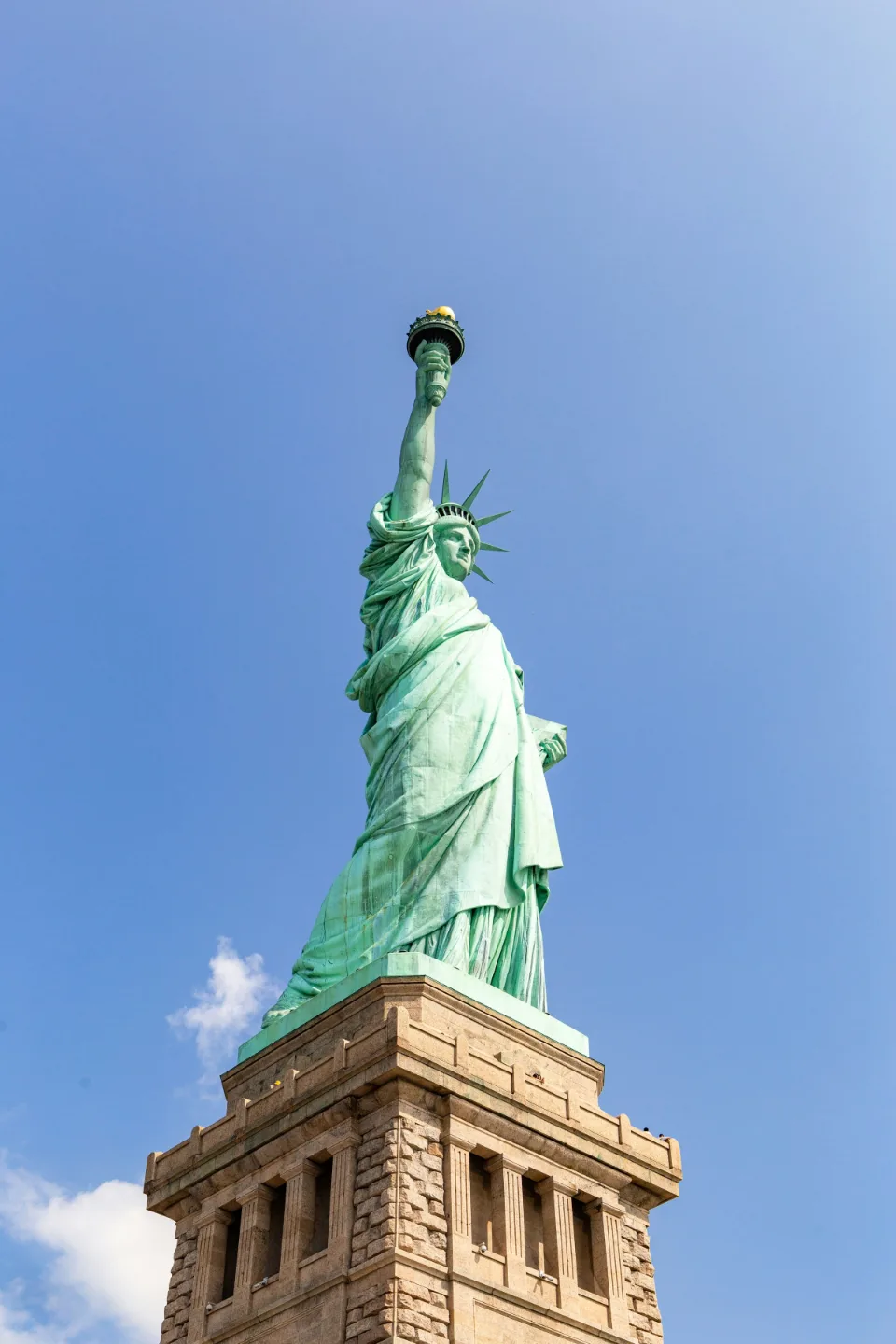
2. Statue of Liberty Museum
Inside you find the original torch, full-scale models, and clear exhibits on how the statue was built and what it has meant over time. It adds depth without feeling like a lecture.
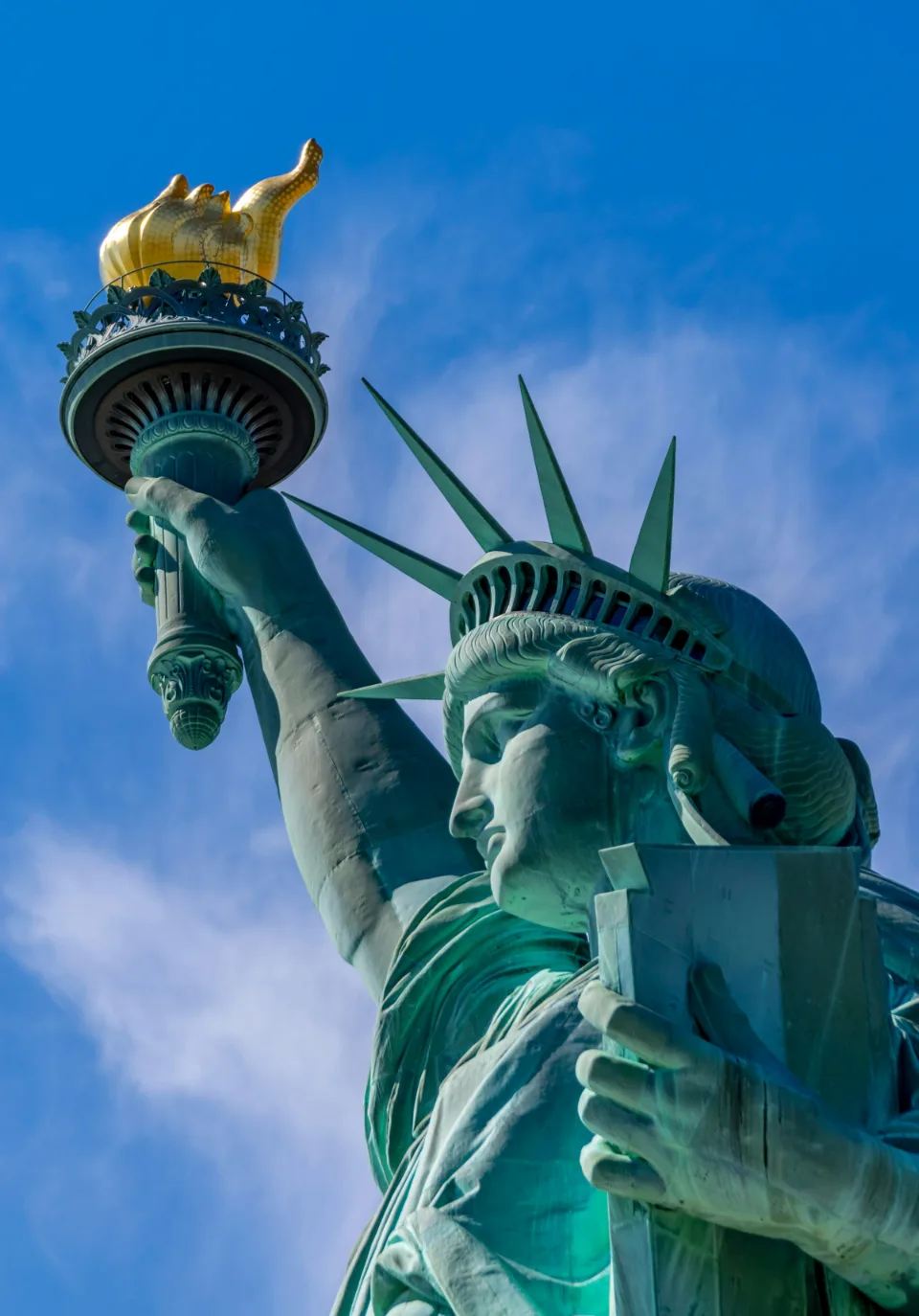
3. Climb the Pedestal
You get elevated views over the harbor and city. The short stair climb rewards you with a fresh perspective on the statue’s size and setting (if your ticket includes it).
Must-see highlights include the tablet with its inscribed date, the broken chains at the base, and the museum’s Liberty Vista overlook. These spots turn a simple visit into something memorable and worth the ferry ride.
Plan Your Visit
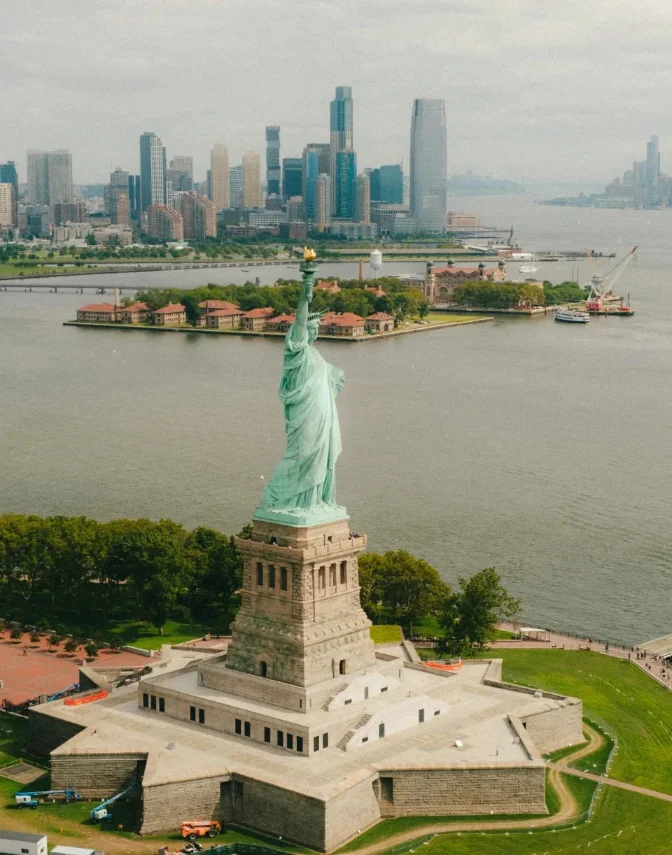
Opening Hours
The Statue of Liberty National Monument, including Liberty Island, opens daily from 9:00 AM to 5:00 PM. Ferry service usually starts earlier, with the first boats leaving around 8:30 AM depending on the season. Last ferries return in the late afternoon.
Duration
Plan on three to five hours for Liberty Island alone. Add another two to three hours if you visit Ellis Island on the same ticket. The ferry ride each way takes about 15 to 20 minutes. Give yourself time for security screening, walking the grounds, and the museum.
Best Time to Visit
Spring (April to May) and fall (September to October) bring milder weather and smaller crowds than summer. Weekdays beat weekends for shorter lines. Early morning ferries let you reach the island before most groups arrive.
Tickets & Prices
You must buy a ferry ticket to reach the islands. Statue City Cruises handles the only authorized service. General admission covers round-trip ferry travel, both museums, and audio guides. Adult tickets start at $26. Buy online in advance to skip ticket-booth lines.
How to Reach, Entrances & Accessibility
Ferries depart from Battery Park in Manhattan or Liberty State Park in New Jersey. Both routes take
similar time. Security screening happens before boarding, so arrive 30 to 45 minutes early. There are no
other entrances. The ferry drops you directly on Liberty Island.
The ferry and island grounds offer wheelchair access on most paths. The Statue of Liberty Museum includes
elevators and accessible exhibits. Pedestal access involves stairs, and the crown requires a steep
162-step climb with no elevator. Service animals are welcome.
Tours & Experiences
Several options let you shape your visit. The standard ferry ticket includes self-guided audio tours in multiple languages that play as you walk Liberty Island and Ellis Island. They cover key facts without overwhelming you.
Guided group tours add a live narrator who shares stories while you move through the sites. These last three to five hours and often include priority boarding. Crown and pedestal access tickets pair with the ferry and give you reserved entry to climb inside the statue. These sell out quickly, so plan ahead. Some operators bundle harbor cruises that pass the statue without landing, ideal if you prefer views from the water only.
Book Your Tickets Now!
History
The idea for the Statue of Liberty took shape in 1865. French historian Édouard de Laboulaye suggested a monument to mark the centennial of American independence and celebrate the friendship between France and the United States. Sculptor Frédéric-Auguste Bartholdi took the lead on design. He pictured a robed woman holding a torch and tablet, drawing from classical images of liberty.
Work began in France in the 1870s. Bartholdi and his team hammered thin copper sheets over a steel frame designed by Gustave Eiffel. By 1884 the statue stood complete in Paris. It was then taken apart, shipped across the Atlantic in 214 crates, and reassembled on Liberty Island (then called Bedloe’s Island). American architect Richard Morris Hunt designed the stone pedestal, which was funded through public donations and a push led by Joseph Pulitzer.
President Grover Cleveland presided over the dedication on October 28, 1886. At first the statue served as a lighthouse. Over time it grew into a broader symbol. In the early 1900s it welcomed waves of immigrants arriving at nearby Ellis Island. Today the statue still stands as a quiet reminder of shared ideals and the journeys people make to reach new shores.
Visitor Reviews
Travelers consistently rate the Statue of Liberty highly for its scale and setting. One recent visitor from Australia wrote, “The ferry ride alone was worth it. Seeing her appear through the mist felt like stepping into every history book I read as a kid.” Families often mention how the open grounds give kids room to run while adults take in the views.
A couple who visited in late 2025 noted, “We took an early ferry and had the island almost to ourselves for the first 30 minutes. The museum exhibits made the whole story click.” Reviewers who climbed the pedestal say the 360-degree harbor views justify the extra steps. Nearly everyone leaves glad they made the trip.
Nearby Attractions
After Liberty Island, these five spots sit close enough for the same day or the next:
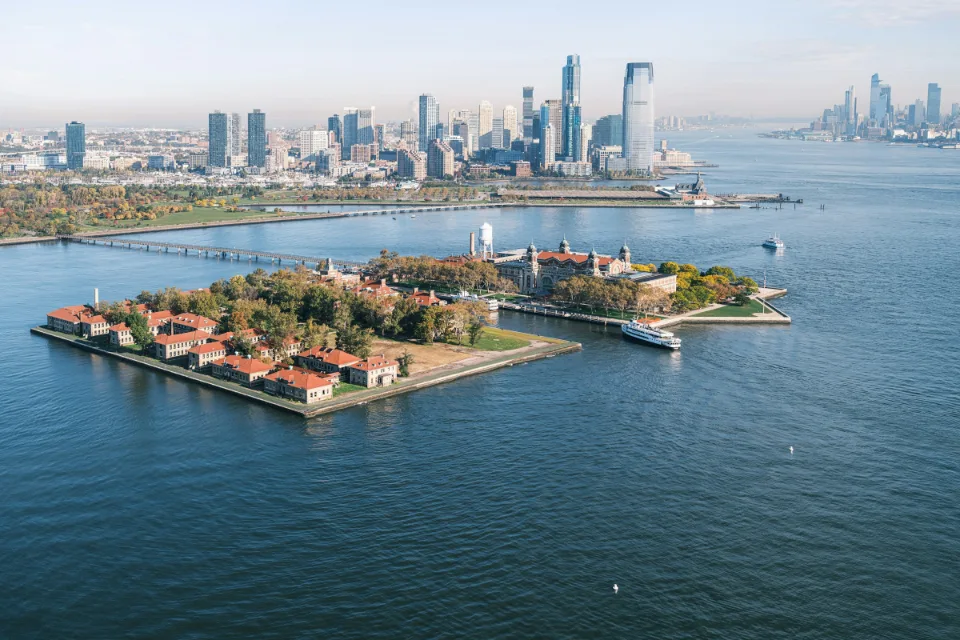
1. Ellis Island
The ferry ticket usually includes this stop. Walk through the restored Great Hall and read personal stories of arrivals.
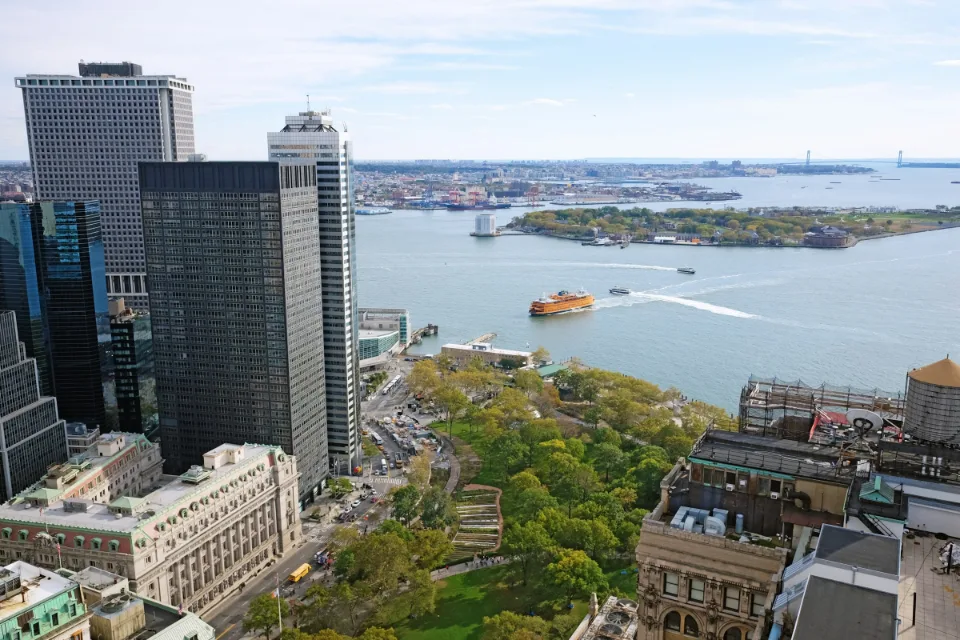
2. Battery Park
The Manhattan ferry departure point offers green space, waterfront views, and quick access back to downtown.

3. 9/11 Memorial & Museum
A short walk or subway ride away, it provides a powerful contrast in history and reflection.
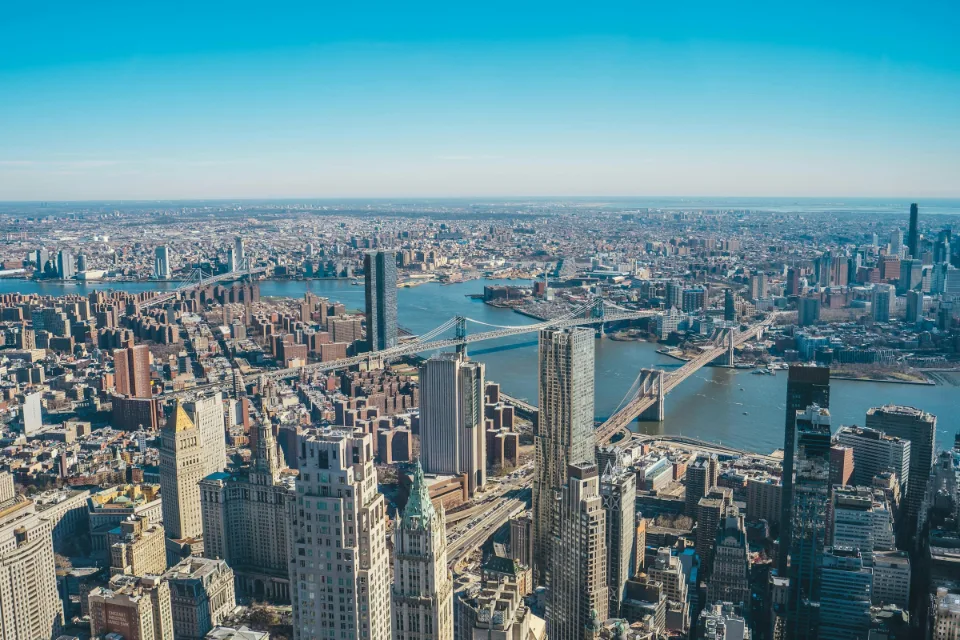
4. One World Observatory
Ride to the top for sweeping city views that include Liberty Island in the distance.

5. Wall Street
Historic buildings, street art, and the Charging Bull statue sit within easy reach for a quick urban walk.
Frequently Asked Questions
Do I need tickets in advance?
Yes. Ferry tickets sell out, especially in summer. Book through the official operator at least a few weeks ahead for your preferred date and time.
Can I climb inside the statue?
Only with a special pedestal or crown ticket. Both require advance purchase and involve stairs. The crown climb is 162 steps from the pedestal level and not suitable for everyone.
Is there food on the island?
Limited options exist at the café on Liberty Island. Many visitors eat before or after the ferry in Battery Park or Jersey City.
How long is the ferry ride?
About 15 to 20 minutes each way from either departure point.
Are there restrooms?
Yes, on the islands and at the ferry terminals. Facilities on Liberty Island stay clean and accessible.
What should I bring?
Comfortable shoes, sunscreen, a light jacket for the boat, and a charged phone for photos. No large bags or drones allowed through security.
Is the site open in bad weather?
Ferries may cancel in high wind or storms. Check the operator’s site the morning of your visit.
Can I see the statue without taking the ferry?
You can view it from the water on harbor cruises or from distant shore points, but you miss the island experience and close-up details.